
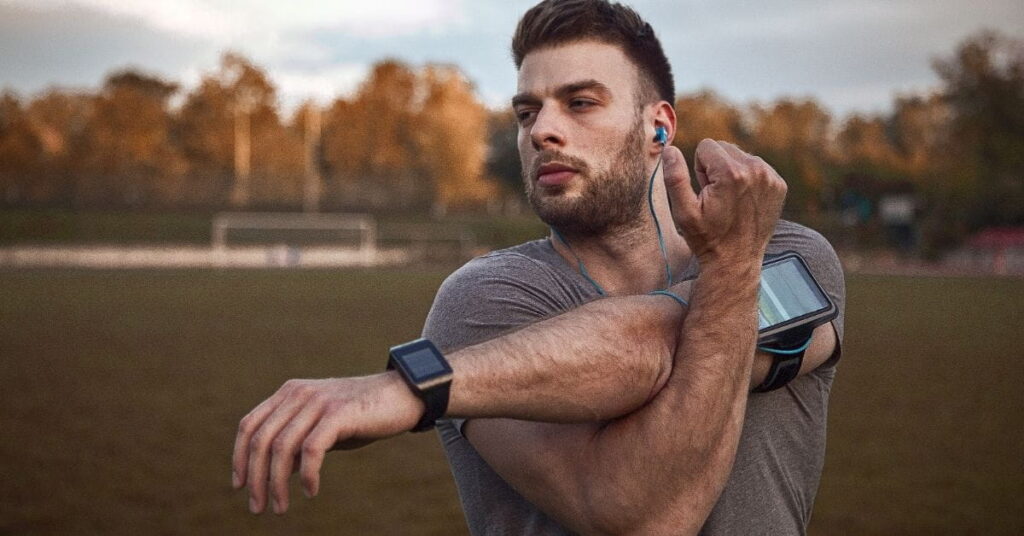

Are you ready to get the most out of your workout but not sure how to start? Jumping straight into intense exercise without preparing your body can increase the risk of injury and leave your muscles tight, sore, and less responsive.
A proper warm-up not only activates key muscle groups but also improves blood flow, raises your heart rate, and mentally prepares you for the physical challenge ahead.
By spending just 10 to 15 minutes on dynamic movements that target the entire body, you create an optimal environment for strength, endurance, and mobility, setting the stage for a safe, effective, and productive workout session every single time. Let’s explore 15 essential warm-up exercises that can help you start your routine on the right note.
Benefits of Warm-Up
Warming up before a workout is essential for preparing your body both physically and mentally, ensuring you get the most out of your exercise session while minimizing the risk of injury. Here are five key benefits of a proper warm-up:
- Increases Blood Flow and Muscle Temperature: A good warm-up boosts circulation, allowing more oxygen and nutrients to reach your muscles. This raises muscle temperature, making fibers more elastic and reducing the risk of strains or tears during exercise.
- Enhances Joint Mobility and Flexibility: Dynamic movements during a warm-up activate your joints and ligaments, improving range of motion. This allows you to perform exercises with proper form and decreases the chances of joint stiffness or discomfort.
- Primes the Nervous System: Warming up prepares your central nervous system for complex movements. This improves coordination, reaction time, and muscle activation, allowing your body to perform exercises more efficiently and with better precision.
- Mental Preparation: Warm-ups give you time to focus on your workout, set intentions, and get into the right mindset. Mentally preparing yourself can improve concentration, motivation, and overall performance.
- Reduces Risk of Injury and Improves Performance: By gradually increasing heart rate and activating muscles, warm-ups reduce stress on the cardiovascular system and musculoskeletal structures. This leads to safer workouts and enhanced strength, endurance, and mobility throughout your session.
1. Step Toe Touch and Step Back Lunge
Step Toe Touch and Step Back Lunge is a dynamic warm-up that targets hip flexors, quads, glutes, hamstrings, and core muscles, helping to prepare your lower body for a full workout while improving balance and coordination.
How to Do It?
- Stand tall with feet shoulder-width apart and arms at your sides.
- Step your left foot forward slightly and swing your right leg forward while reaching your left hand towards your right toe, keeping your back straight.
- Step your right foot back behind your left foot into a reverse lunge, lowering your hips until both knees form a 90-degree angle.
- Push through the front foot to return to the starting position.
- Alternate legs and repeat for the desired number of reps, maintaining controlled movement.
How It Helps
This exercise warms up major lower body muscles, enhances flexibility in the hips and hamstrings, improves balance and stability, and increases blood flow to the legs, preparing them for more intense workout movements.
2. Rapid Lateral Squats
Rapid Lateral Squats target the gluteus medius, quads, inner thighs, and hips, engaging side-to-side movements that prepare your lower body for dynamic exercises while increasing heart rate and improving coordination and lateral stability.
How to Do It?
- Stand with feet slightly wider than hip-width apart, toes pointing forward or slightly out.
- Shift your weight into your right heel, pushing your hips back while bending your right knee and keeping your left leg straight.
- Reach your left hand toward your right foot as you squat down, maintaining a straight back.
- Push through your right foot to return to the starting position.
- Repeat on the opposite side, alternating legs in a controlled, continuous rhythm for the desired repetitions.
How It Helps
This exercise warms up the lower body, strengthens lateral muscles, improves hip mobility, increases coordination for side-to-side movements, and primes your legs and core for more intense lower body workouts.
3. Around the World Lunge Pivots
Around the World Lunge Pivots engage quads, glutes, calves, core, shoulders, and arms, incorporating rotational movement and overhead arm extension to increase heart rate, full-body coordination, and prepare multiple muscle groups for dynamic workouts.
How to Do It?
- Stand tall with feet slightly wider than hip-width apart, toes pointing forward, arms reaching straight overhead.
- Lift your heels off the ground, shifting weight to the balls of your feet.
- Pivot your hips and toes to the right while lowering into a lunge, front right thigh parallel to the floor, back left knee slightly bent.
- Reach fingertips toward the ground for a full stretch, then drive through your front foot to return to center.
- Pivot to the left and repeat the lunge, alternating sides continuously for the desired repetitions, maintaining balance and proper posture.
How It Helps
This warm-up improves hip mobility, strengthens the lower body, engages the core, increases shoulder and arm activation, and primes your body for rotational and multi-planar movements, reducing the risk of injury during full-body workouts.
4. Pivot Front Lunge and Knee Drive
Pivot Front Lunge and Knee Drive targets hip flexors, quads, glutes, calves, ankles, and core, combining dynamic lunging with rotational movement to improve balance, coordination, and functional strength for more intense workout sessions.
How to Do It?
- Stand with feet hip-distance apart, engage your core, and lift your right knee to hip height.
- Pivot your left toe to the right as you step your right foot forward into a low lunge, ensuring front thigh is parallel to the floor and back knee slightly bent.
- Optionally reach your left fingertips toward the floor for added stretch and spinal rotation.
- Drive off your front foot to return to starting position, floating your right knee back up.
- Repeat on the other side, alternating legs continuously, keeping core engaged and movements controlled for proper form and balance.
How It Helps
This exercise warms up the lower body, increases hip mobility, improves balance and coordination, activates the core, and prepares your legs, glutes, and joints for more strenuous exercises, reducing the risk of strains during intense workouts.
5. 4 Butt Kicks and Squat
4 Butt Kicks and Squat targets the hips, hamstrings, glutes, calves, and ankles while also opening up the quads and activating the cardiovascular system to raise heart rate and blood flow.
How to Do It?
- Stand with feet shoulder-width apart, arms at your sides.
- Pull your right heel toward your right glute, squeezing the hamstring.
- Return the foot to the ground and repeat with the left leg.
- Perform four alternating butt kicks, then immediately lower into a squat with hips back and knees at a 90-degree angle, chest up.
- Drive through your heels to stand and repeat the cycle for the duration of the set.
How It Helps
This combination improves lower-body flexibility, warms up hamstrings, glutes, and calves, and boosts blood circulation, preparing your muscles for squats, lunges, and explosive movements in your main workout.
6. Plank Walk Out and Low Lunge Hip Opener
Targets shoulders, arms, core, glutes, legs, and hips while dynamically opening the hip flexors and improving full-body coordination and core activation.
How to Do It?
- Stand with feet hip-width apart, arms overhead, then squat down and place hands on the floor.
- Walk hands forward into a high plank, keeping body in a straight line.
- Step the right foot outside the right hand into a low lunge and open the right hand to the ceiling.
- Step back to plank and repeat on the left side.
- Walk hands back toward feet and stand up to complete one cycle.
How It Helps
This move activates the core, strengthens the shoulders and arms, increases hip mobility, and primes the lower body for lunges and squats, while improving spinal alignment and coordination.
7. Kick Sits
Kick Sits target core muscles, shoulders, quads, hips, and ankle mobility while improving rotational movement and dynamic flexibility for the entire body.
How to Do It?
- Begin in a tabletop position on hands and knees, shoulders over wrists, hips over knees.
- Hover knees slightly above the ground, core engaged.
- Pivot your right heel down and open hips to the right as you kick your left leg through the opening.
- Reach the right hand toward the left toes, then pivot hips back to starting position.
- Repeat on the opposite side, alternating legs continuously.
How It Helps
Kick Sits dynamically engage core, hips, and shoulders, improve rotational flexibility, enhance mobility, and prepare the body for twisting movements and lower-body exercises during your workout.
8. Prisoner Get Ups
Prisoner Get Ups target glutes, quads, hamstrings, and the stabilizing muscles of the core and back, improving functional strength, balance, and coordination for complex movements.
How to Do It?
- Start kneeling with knees under hips, hands behind your head or at your sides.
- Step your right foot forward into a squat, then bring your left foot forward to meet it.
- Drive through your heels to stand tall, engaging the core.
- Reverse the movement to return to kneeling, alternating the lead foot with each rep.
- Repeat steadily, maintaining controlled motion for stability and balance.
How It Helps
This exercise warms up the lower body, activates the core, enhances balance and coordination, strengthens stabilizing muscles, and primes the body for squats, lunges, and explosive movements in your workout.
9. 90/90 Hip Switch Kneel Up
90/90 Hip Switch Kneel Up targets hips, glutes, quads, hamstrings, inner thighs, and the stabilizing muscles in the core, back, and shoulders, improving hip mobility and dynamic balance.
How to Do It?
- Sit in a butterfly position with soles of feet together, arms extended forward.
- Slide your right foot behind you, placing it in a 90/90 position with the inner arch on the mat.
- Brace your core and lift hips off the ground into a half-kneeling position, shoulders stacked over hips.
- Slide your left foot behind you into the 90/90 position while returning your right foot to the starting position.
- Lower hips to the ground, then alternate sides continuously.
How It Helps
This exercise opens hip flexors, strengthens glutes and stabilizing muscles, improves rotational mobility, and prepares the lower body for lunges, squats, and dynamic movements.
10. Arm Circles with Squat
Arm Circles with Squat is a full-body warm-up that activates the shoulders, upper back, and legs while improving circulation and coordination. By combining large arm rotations with controlled squats, this exercise warms up stabilizing muscles, increases heart rate, and prepares both the upper and lower body for dynamic movements.
How to Do It?
- Stand with feet shoulder-width apart, arms extended to the sides at shoulder height.
- Begin making small forward circles with your arms, gradually increasing the size of the circles.
- As you circle your arms, simultaneously lower into a squat, keeping chest up and knees behind toes.
- Rise back to standing while continuing the arm circles in a fluid motion.
- Repeat continuously for the desired duration, maintaining steady breathing and controlled form.
How It Helps
This exercise improves shoulder mobility, activates upper-back muscles, strengthens legs through squats, boosts circulation, and raises heart rate, preparing the entire body for more intense movements.
11. High Knee Skips
High Knee Skips are a dynamic warm-up that elevates heart rate while activating the hip flexors, calves, quads, and core. This plyometric movement improves coordination, explosiveness, and balance.
How to Do It?
- Begin in a standing position with feet hip-width apart.
- Drive your right knee up to hip height while simultaneously pushing off the left foot into a small hop.
- Swing your arms in opposition to your legs to maintain momentum and balance.
- Land softly on the ball of your foot and immediately drive the opposite knee upward.
- Continue alternating legs in a rhythmic skipping motion, keeping your core engaged and breathing steady.
How It Helps
High Knee Skips increase lower-body blood flow, strengthen hip flexors and calves, improve coordination and balance, and raise heart rate, making the body ready for running, jumping, and high-intensity exercises.
12. Side-to-Side Leg Swings
Side-to-Side Leg Swings are a dynamic exercise that warms up the hips, glutes, adductors, and abductors while improving range of motion and lateral mobility.
How to Do It?
- Stand upright with feet hip-width apart, using a wall or chair for support if needed.
- Shift your weight onto your left leg while swinging your right leg side-to-side in a controlled arc.
- Keep your torso tall and engage your core to prevent leaning.
- Swing the leg back and forth for the desired number of repetitions, gradually increasing the height of the swing.
- Switch legs and repeat the same controlled motion, maintaining smooth rhythm and breathing evenly.
How It Helps
This exercise improves hip mobility, strengthens stabilizing muscles, warms up adductors and abductors, enhances coordination, and prepares the lower body for dynamic lateral and rotational movements.
13. Shoulder Shrugs with Torso Twists
Shoulder Shrugs with Torso Twists is a warm-up that loosens the shoulders, upper back, and core while improving spinal mobility and posture.
How to Do It?
- Stand tall with feet shoulder-width apart and arms relaxed at your sides.
- Shrug your shoulders upward toward your ears and slowly lower them back down.
- While performing the shrug, gently twist your torso to the right, then return to center.
- Repeat the shrug while twisting to the left side, coordinating breathing with the movements.
- Continue alternating sides in a controlled manner for the desired number of repetitions.
How It Helps
This warm-up loosens shoulder and upper-back muscles, engages the core, improves spinal mobility, enhances posture, and prepares the upper body for lifting, pressing, and rotational exercises.
14. Skater Hops
Skater Hops are a plyometric warm-up targeting glutes, quads, calves, and core while enhancing lateral stability and agility.
How to Do It?
- Stand on your right foot with a slight bend in the knee and your left foot lifted behind.
- Push off the right foot laterally to the left, landing softly on your left foot while swinging the right foot behind.
- Use your arms to maintain balance, swinging them naturally in opposition to your legs.
- Absorb the landing by slightly bending the knee and immediately pushing off to the opposite side.
- Continue hopping side-to-side with controlled movements and steady breathing for the desired repetitions.
How It Helps
Skater Hops improve lateral strength, glute and quad activation, balance, coordination, and explosive power. They raise heart rate and prepare the lower body for dynamic, multidirectional movements.
15. Standing Hip Circles
Standing Hip Circles is a mobility-focused warm-up that activates hip flexors, glutes, and lower back while enhancing rotational control and joint range of motion.
How to Do It?
- Stand with feet shoulder-width apart, hands resting on hips for support.
- Slowly rotate your hips clockwise in a controlled, circular motion, keeping your torso stable and core engaged.
- Complete the desired number of rotations, focusing on smooth movement and full range of motion.
- Switch to counterclockwise rotations, maintaining control and steady breathing.
- Continue alternating directions for the full set, ensuring movement comes from the hips without leaning the torso excessively.
How It Helps
This exercise improves hip mobility, strengthens stabilizing muscles, loosens tight glutes and lower back, enhances balance, and primes the lower body for dynamic squats, lunges, and rotational movements.
Conclusion
Incorporating these six warm-up exercises into your routine increases circulation, improves mobility, activates stabilizing muscles, and prepares the body for strength, cardio, and functional workouts. Performing them consistently ensures safer, more effective, and dynamic training sessions.