
Are you looking for powerful lower-body workouts that you can do at home without any equipment? Strong legs and glutes are not just about appearance; they support daily movement, improve balance, and protect your joints from injuries.
Whether you are a beginner or someone getting back into fitness, home workouts can be just as effective as gym sessions when done correctly. With the right combination of squats, lunges, bridges, and dynamic movements, you can tone your thighs, strengthen your calves, and build endurance.
The best part is that you only need a small space and your body weight to get started. Below are 15 effective lower-body workouts that target your glutes, hamstrings, quadriceps, and calves for a complete home routine.
1. Squats
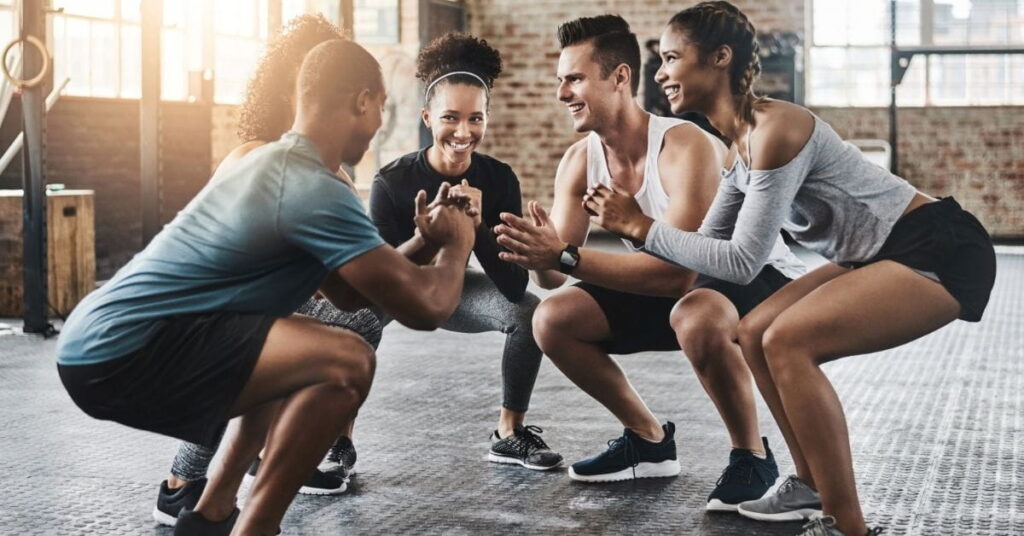
Squats are a fundamental lower-body exercise that targets your glutes, quadriceps, hamstrings, and core muscles at the same time. This movement mimics sitting down and standing up, which makes it highly practical for daily activities.
When performed correctly, squats help build strength, improve balance, and increase flexibility in your hips and knees. It is suitable for beginners and can be modified with tempo changes or pulse variations for added intensity.
How to Do It?
- Stand with your feet shoulder-width apart and keep your toes slightly pointed outward while maintaining a straight back.
- Engage your core and slowly push your hips backward as if you are sitting on a chair.
- Bend your knees and lower your body until your thighs are parallel to the floor or as low as comfortable.
- Keep your chest lifted and avoid letting your knees move too far forward over your toes.
- Press through your heels to return to the starting position while squeezing your glutes at the top.
How It Helps:
Squats strengthen major lower body muscle groups and support better posture by activating your core. They improve mobility in the hips and knees, which reduces stiffness over time.
Regular squats also support calorie burning because they engage large muscle groups. This exercise improves balance and coordination while building endurance in your legs for daily tasks.
2. Forward Lunges
Forward lunges work your quadriceps, hamstrings, glutes, and calves while also challenging your balance and coordination. This exercise requires controlled movement and proper alignment, making it effective for building functional strength.
Lunges help correct muscle imbalances between legs because each side works independently. Adding them to your routine improves stability and builds strength evenly across both legs.
How to Do It?
- Stand upright with your feet together and keep your shoulders relaxed but straight.
- Take a big step forward with your right foot and lower your body slowly.
- Bend both knees until your back knee nearly touches the floor and your front thigh becomes parallel to the ground.
- Keep your torso upright and ensure your front knee stays aligned above your ankle.
- Push through your front heel to return to the starting position, then switch legs.
How It Helps:
Forward lunges improve lower body strength while increasing hip flexibility. They help tone your thighs and glutes and improve joint stability.
This exercise also supports better coordination because it requires balance. Practicing lunges regularly can reduce the risk of knee injuries and improve overall lower-body endurance.
3. Glute Bridges
Glute bridges primarily target the glute muscles and hamstrings while also engaging your lower back and core. This exercise is especially helpful for people who sit for long hours, as it activates muscles that often become weak.
Glute bridges strengthen the posterior chain, which supports better posture and lower back stability. It is a low-impact exercise suitable for all fitness levels.
How to Do It?
- Lie on your back with your knees bent and your feet flat on the floor, hip-width apart.
- Place your arms by your sides with your palms facing down.
- Tighten your core and press through your heels to lift your hips toward the ceiling.
- Keep your shoulders on the floor and form a straight line from your knees to your shoulders.
- Slowly lower your hips back down without fully resting, then repeat.
How It Helps:
Glute bridges strengthen your glutes and support lower back health. They improve hip mobility and reduce tightness caused by prolonged sitting.
This movement also increases stability in your pelvis and strengthens hamstrings. Regular practice helps improve posture and reduce discomfort in the lower back.
4. Wall Sit
Wall sits are an isometric exercise that targets your quadriceps, hamstrings, and glutes. Instead of moving up and down, you hold a seated position against a wall.
This exercise builds muscular endurance and mental toughness because maintaining the position requires focus. Wall sits are simple but highly effective for building strength in your thighs without equipment.
How to Do It?
- Stand with your back against a wall and place your feet shoulder-width apart.
- Slowly slide down the wall until your knees are bent at a 90-degree angle.
- Keep your back flat against the wall and your core tight.
- Hold the position for 20 to 60 seconds while breathing steadily.
- Slowly slide back up to a standing position and rest before repeating.
How It Helps:
Wall sits build endurance in your thigh muscles and improve mental focus. They strengthen your quadriceps without putting pressure on your joints.
This exercise supports better knee stability and increases stamina. Practicing wall sits regularly can improve your ability to perform other lower-body exercises more effectively.
5. Step-Ups (Using a Chair or Stairs)
Step-ups target your quadriceps, hamstrings, and glutes while also improving balance and coordination. This exercise mimics climbing stairs and strengthens muscles used in daily activities.
It is effective for building leg power and improving stability. Step-ups can be performed using a sturdy chair, bench, or staircase at home.
How to Do It?
- Stand in front of a stable chair or step with your feet hip-width apart.
- Place your right foot firmly on the surface and press through your heel.
- Lift your body upward until your right leg is straight and bring your left foot up.
- Step back down slowly with control, leading with your left foot.
- Repeat for several repetitions before switching legs.
How It Helps:
Step-ups build strength in your glutes and thighs while improving coordination. They help increase balance because one leg works at a time.
This exercise also supports better joint stability and functional strength for daily tasks like climbing stairs. Regular step-ups improve endurance and muscle tone.
6. Side Lunges
Side lunges focus on your inner and outer thighs while also activating your glutes and quadriceps. Unlike forward lunges, this movement trains your body in a lateral direction, which is often neglected in basic workouts.
Side lunges improve hip mobility and help strengthen muscles that support balance. This exercise is useful for building lower-body strength while improving flexibility and stability.
How to Do It?
- Stand upright with your feet wider than shoulder-width apart and keep your toes pointing forward.
- Shift your body weight to your right side and bend your right knee slowly while keeping your left leg straight.
- Push your hips back as you lower yourself, keeping your chest lifted and your back straight.
- Lower your body until your right thigh is almost parallel to the floor.
- Press through your right heel to return to the starting position and repeat on the other side.
How It Helps:
Side lunges strengthen your inner thighs and improve hip flexibility. They help correct muscle imbalances and improve lateral movement control.
This exercise supports better balance and reduces stiffness in the hip joints. Practicing side lunges regularly builds stronger legs and improves overall coordination.
7. Donkey Kicks
Donkey kicks primarily target your glute muscles while also engaging your core and hamstrings. This controlled movement helps activate muscles that often remain inactive due to prolonged sitting.
Donkey kicks are simple to perform and require no equipment, making them ideal for home workouts. They are effective for building strength and muscle tone in the lower body.
How to Do It?
- Start on all fours with your hands directly under your shoulders and your knees under your hips.
- Keep your back flat and tighten your core to maintain stability.
- Lift your right leg upward while keeping your knee bent at a 90-degree angle.
- Raise your foot toward the ceiling until your thigh aligns with your torso.
- Lower your leg slowly without touching the floor and repeat before switching sides.
How It Helps:
Donkey kicks strengthen and tone the glutes while improving hip stability. They support better posture by activating the posterior chain.
This exercise also reduces lower back strain by strengthening supporting muscles. Regular practice helps build muscle endurance and improves overall lower-body strength.
8. Calf Raises
Calf raises focus on strengthening the calf muscles located at the back of your lower legs. Strong calves are important for walking, running, and maintaining balance.
This exercise is easy to perform and can be done anywhere at home. Calf raises improve ankle stability and support better lower-body coordination.
How to Do It?
- Stand upright with your feet hip-width apart and keep your hands on your hips or against a wall for balance.
- Slowly lift your heels off the ground while keeping your toes firmly planted.
- Rise as high as possible onto the balls of your feet.
- Hold the position briefly while tightening your calf muscles.
- Lower your heels back down slowly with control and repeat.
How It Helps:
Calf raises strengthen the muscles that support ankle movement and stability. They improve balance and coordination, especially during walking or running. This exercise also supports better circulation in the lower legs. Practicing calf raises regularly builds endurance and reduces the risk of ankle injuries.
9. Bulgarian Split Squats (Using a Chair)
Bulgarian split squats are an advanced variation of squats that target the glutes, quadriceps, and hamstrings while challenging balance.
This single-leg movement increases intensity and helps build strength evenly in both legs. It requires focus and control, making it a powerful addition to your lower body routine.
How to Do It?
- Stand a few feet in front of a sturdy chair or bench.
- Place the top of your left foot on the chair behind you.
- Keep your torso upright and slowly bend your right knee to lower your body.
- Lower yourself until your front thigh is parallel to the floor.
- Push through your front heel to return to the starting position and switch legs.
How It Helps:
Bulgarian split squats build strong and balanced legs while improving stability. They increase muscle activation in the glutes and thighs. This exercise also improves coordination and flexibility in the hips. Regular practice helps strengthen lower-body muscles effectively at home.
10. Jump Squats
Jump squats combine strength and cardio by adding a jumping motion to a traditional squat. This exercise increases heart rate while strengthening your legs and glutes.
It builds explosive power and improves endurance. Jump squats are ideal for those who want to add intensity to their home workout routine.
How to Do It?
- Stand with your feet shoulder-width apart and keep your chest upright.
- Lower your body into a squat position by bending your knees and pushing your hips back.
- Swing your arms slightly backward to prepare for the jump.
- Explode upward by pushing through your heels and jump as high as possible.
- Land softly on your feet and immediately lower back into the squat position.
How It Helps:
Jump squats improve lower-body strength and increase cardiovascular endurance. They build power in your legs and activate multiple muscle groups at once. This exercise supports better athletic performance and burns more calories. Practicing jump squats regularly improves stamina and coordination.
11. Curtsy Lunges
Curtsy lunges target your glutes, inner thighs, and quadriceps while adding a diagonal movement that challenges balance and coordination. This variation of the traditional lunge activates muscles that are not always fully engaged in forward movements.
Curtsy lunges are effective for strengthening the lower body and improving hip stability. They also help tone the thighs while improving control and posture during movement.
How to Do It?
- Stand upright with your feet hip-width apart and keep your hands on your hips for balance.
- Step your right leg diagonally behind your left leg as if performing a curtsy.
- Lower your body slowly by bending both knees while keeping your torso upright.
- Ensure your front knee stays aligned with your ankle and does not collapse inward.
- Push through your front heel to return to the starting position and repeat on the other side.
How It Helps:
Curtsy lunges strengthen the glutes and inner thighs while improving hip mobility. They build balance and coordination by training the body in multiple directions. This exercise also supports better knee stability. Practicing curtsy lunges regularly helps tone the lower body and increase muscular endurance.
12. Fire Hydrants
Fire hydrants focus on the outer glutes and hip muscles, helping build strength and stability in the lower body. This exercise is performed on the floor and requires controlled movement to maintain proper alignment.
Fire hydrants help improve hip strength and prevent lower back discomfort. They are suitable for beginners and can be easily added to any home workout routine.
How to Do It?
- Begin on all fours with your hands under your shoulders and knees under your hips.
- Keep your back straight and tighten your core to stabilize your body.
- Lift your right knee out to the side while keeping it bent at a 90-degree angle.
- Raise your leg until it reaches hip height without rotating your torso.
- Lower your leg slowly back to the starting position and repeat before switching sides.
How It Helps:
Fire hydrants strengthen the outer glutes and improve hip stability. They support better balance and posture by activating supporting muscles.
This exercise reduces strain on the lower back by strengthening surrounding muscles. Regular practice helps improve coordination and lower-body control.
13. Single-Leg Deadlifts
Single-leg deadlifts target your hamstrings, glutes, and core while improving balance and stability. This exercise requires focus because you work one leg at a time while maintaining control.
It helps strengthen the posterior chain and correct muscle imbalances between legs. Single-leg deadlifts are effective for improving lower-body strength at home without equipment.
How to Do It?
- Stand upright with your feet hip-width apart and shift your weight onto your right leg.
- Keep your right knee slightly bent and slowly hinge forward at your hips.
- Extend your left leg straight behind you while lowering your torso toward the floor.
- Keep your back straight and your core engaged throughout the movement.
- Return to the starting position by squeezing your glutes and repeat before switching sides.
How It Helps:
Single-leg deadlifts strengthen hamstrings and glutes while improving balance. They increase hip mobility and support better posture. This exercise also improves coordination and core stability. Practicing it regularly builds strong legs and reduces the risk of muscle imbalances.
14. Sumo Squats
Sumo squats are a wide-stance squat variation that targets the inner thighs, glutes, and quadriceps. By placing your feet wider apart and pointing your toes outward, you shift more focus to the inner thigh muscles. Sumo squats are effective for building lower-body strength and improving flexibility in the hips.
How to Do It?
- Stand with your feet wider than shoulder-width apart and point your toes outward.
- Keep your chest upright and engage your core muscles.
- Lower your body by bending your knees and pushing your hips backward.
- Ensure your knees move in line with your toes as you descend.
- Press through your heels to stand back up and repeat.
How It Helps:
Sumo squats strengthen the inner thighs and glutes while improving hip flexibility. They build endurance and muscle tone in the lower body.
This exercise also supports better balance and joint stability. Regular practice helps increase overall leg strength.
15. Glute Kickbacks
Glute kickbacks isolate the glute muscles and help improve lower-body strength. This exercise requires controlled movement to target the right muscles effectively.
Glute kickbacks are simple yet powerful for toning and strengthening the backside. They can be performed on a mat without any equipment.
How to Do It?
- Start on all fours with your hands under your shoulders and knees under your hips.
- Keep your core tight and your back straight throughout the movement.
- Extend your right leg straight backward while keeping it parallel to the floor.
- Squeeze your glutes at the top of the movement without arching your lower back.
- Lower your leg slowly and repeat before switching to the other side.
How It Helps:
Glute kickbacks strengthen and tone the glutes effectively. They improve hip stability and support better posture. This exercise also reduces strain on the lower back by strengthening supporting muscles. Regular practice increases muscle endurance and improves lower-body definition.
Conclusion
Lower body workouts at home can be simple yet highly effective when done consistently and correctly. These 15 exercises target your glutes, thighs, hamstrings, and calves while improving balance and endurance. With dedication and proper form, you can build strong, stable legs without stepping into a gym. Stay consistent, focus on technique, and gradually increase repetitions for the best results.