Have you ever wanted to practice Pilates at home but felt unsure about what equipment you actually need? The good news is that you do not need a full studio setup to enjoy effective Pilates workouts.
With a few simple tools, you can strengthen your core, improve flexibility, and support better posture right in your living room. Many Pilates accessories are small, affordable, and easy to store, making them perfect for home workouts.
Using the right equipment can also help add variety to your routine and support different muscle groups. From mats and resistance bands to balance tools, each item serves a specific purpose in Pilates training.
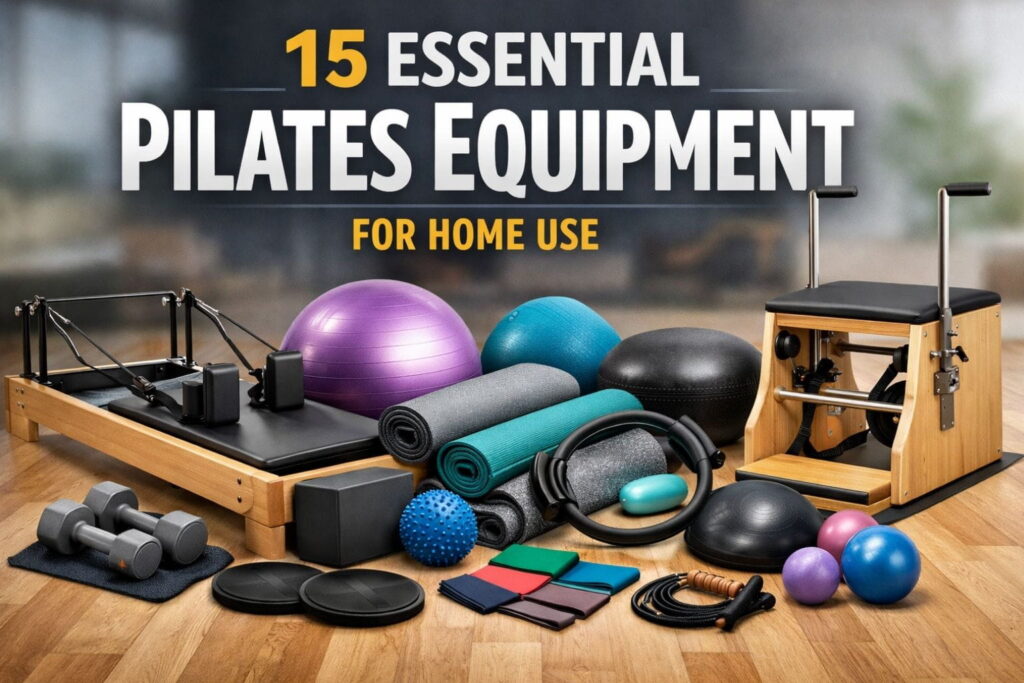
In this guide, you will find 15 essential Pilates equipment pieces that make home workouts more effective, comfortable, and enjoyable.
1. Pilates Mat

A Pilates mat is the foundation of most Pilates workouts at home. It is thicker than a standard yoga mat, which provides extra cushioning for your spine, hips, and joints during floor exercises.
The mat creates a stable surface for movements such as roll-ups, leg circles, and bridges. A good mat also prevents slipping and helps maintain proper alignment. Choosing a durable, non-slip mat makes your workouts safer and more comfortable.
2. Resistance Bands / Therabands

Resistance bands are lightweight elastic bands used to add controlled resistance to Pilates exercises. They are perfect for strengthening arms, legs, and core muscles without using heavy weights.
These bands can assist beginners in learning proper movement patterns or make exercises more challenging for advanced users. Because they are portable and inexpensive, resistance bands are one of the most practical tools for home Pilates workouts.
3. Pilates Ring (Magic Circle)
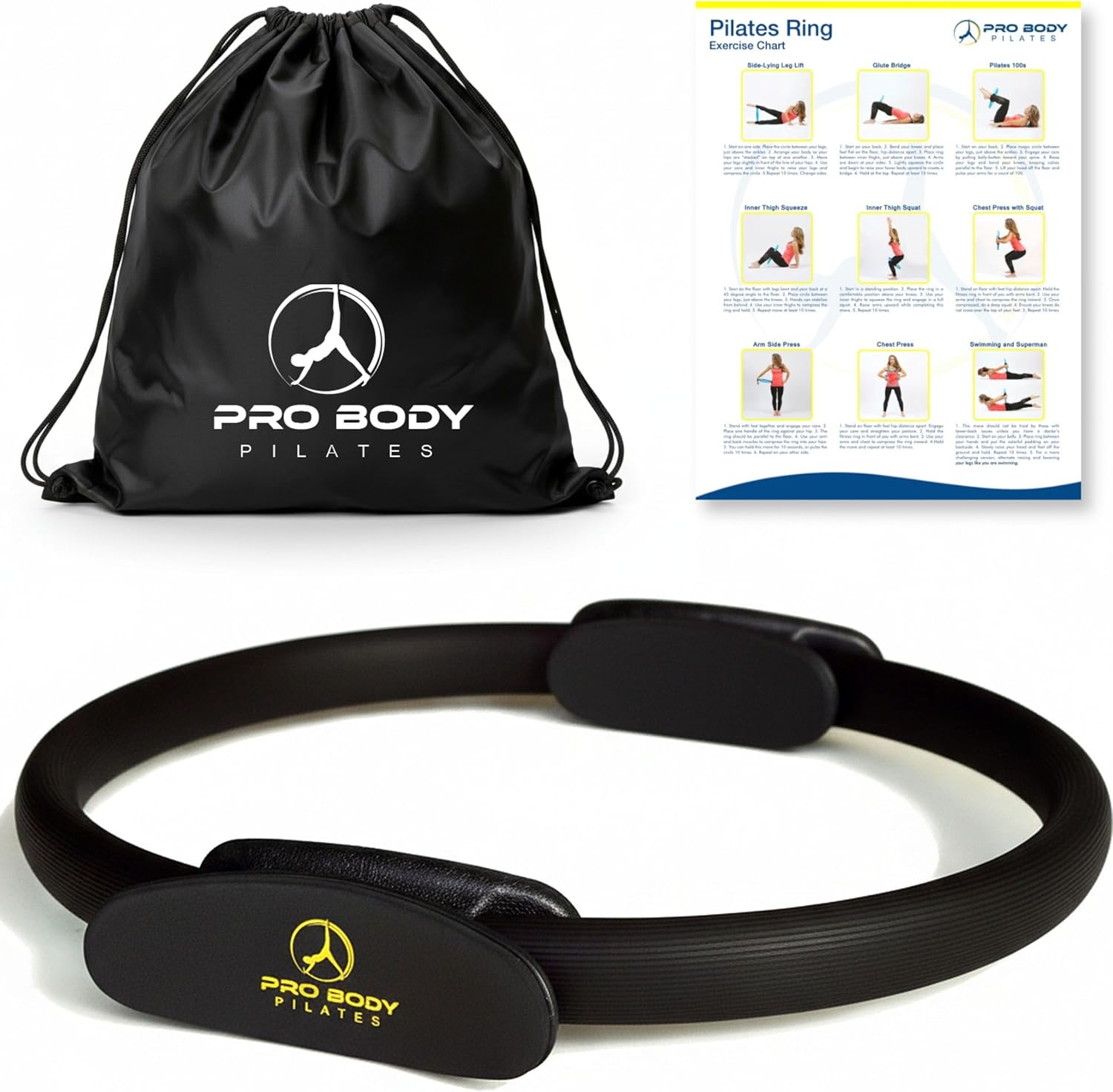
The Pilates ring, often called the Magic Circle, is a flexible ring with padded handles. It is used to add resistance to exercises that target the inner thighs, arms, chest, and core.
When you squeeze the ring during movements, your muscles must work harder to maintain control. This simple tool helps improve muscle activation and body awareness. It is compact and easy to store, making it perfect for home training.
4. Mini Pilates Ball

A mini Pilates ball is a small inflatable ball designed to support balance and core engagement during exercises. It can be placed between the knees, behind the lower back, or under the hips to challenge stability.
The ball helps activate smaller stabilizing muscles that are often overlooked in regular workouts. This equipment is especially useful for improving posture, strengthening the abdominal muscles, and adding variety to mat exercises.
5. Foam Roller

A foam roller is a cylindrical tool commonly used for muscle release and balance exercises. In Pilates workouts, it can be used to support the spine, increase flexibility, and improve stability.
Performing exercises on a foam roller requires strong core engagement because the surface is slightly unstable. This tool also works well for relieving muscle tension after a workout. Foam rollers are widely used in home fitness routines because they are simple and effective.
6. Light Dumbbells

Light dumbbells are often used in Pilates to add gentle resistance to arm and shoulder movements. Usually ranging from 1 to 3 kilograms, they help strengthen the upper body without affecting the smooth and controlled style of Pilates exercises.
Dumbbells can be included in movements such as arm circles, punches, and shoulder presses. They also help improve muscle endurance and coordination while keeping workouts effective and balanced at home.
7. Ankle Weights

Ankle weights are small weighted straps worn around the ankles to add resistance to leg exercises. They are useful for movements such as leg lifts, side kicks, and glute bridges. The added weight helps increase muscle strength in the hips, thighs, and glutes.
Because they are compact and adjustable, ankle weights are easy to use during home Pilates sessions. They help make simple exercises more challenging without needing bulky equipment.
8. Wrist Weights

Wrist weights are lightweight bands worn around the wrists to increase resistance during arm exercises. They help strengthen the shoulders, arms, and upper back while maintaining the controlled movements typical of Pilates.
Wrist weights are useful during exercises such as arm circles, punches, and side extensions. Because they stay securely in place, they allow hands to remain free during workouts. This simple accessory helps add intensity to upper-body movements at home.
9. Yoga Blocks

Yoga blocks are sturdy foam or cork blocks used to support proper body alignment during Pilates exercises. They help reduce strain by bringing the floor closer to the body during stretches or stability movements.
Blocks are useful for supporting the hips, back, or hands when performing certain poses. They also assist beginners who may need extra support while learning exercises. This simple tool improves comfort and helps maintain correct posture during workouts.
10. Stretch Strap
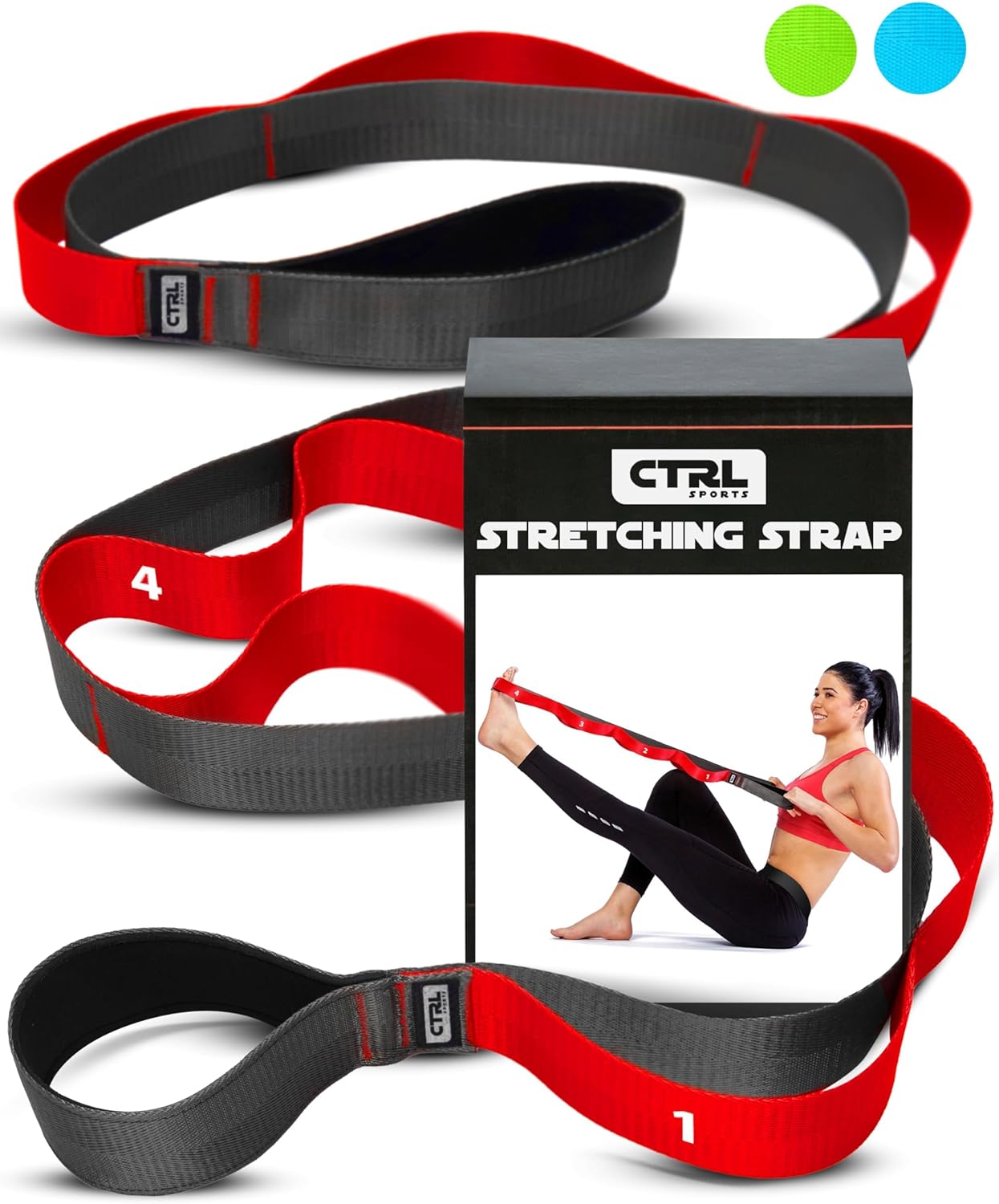
A stretch strap is a long, durable strap used to improve flexibility and assist with stretching exercises. It allows you to reach further during hamstring, shoulder, and back stretches without losing proper alignment.
The strap helps control the range of motion, making stretches safer and more effective. It is particularly helpful for beginners who may not yet have full flexibility. Stretch straps are lightweight and easy to include in any home Pilates routine.
11. Gliding Discs

Gliding discs, also called Pilates sliders, are small discs placed under the hands or feet to create smooth sliding movements during exercises. They add a balance challenge and require strong core engagement to control motion.
Sliders are useful for movements such as lunges, mountain climbers, and plank variations. Because they create constant tension in the muscles, they help build strength and stability while keeping workouts interesting and effective.
12. Balance Board

A balance board is a flat platform placed on a rounded base that creates an unstable surface for exercises. It helps improve coordination, core strength, and overall stability. When performing movements on a balance board, the body must continuously adjust to maintain balance.
This activates several muscle groups at once. Adding this tool to Pilates workouts can help strengthen the core and improve body control during everyday activities.
13. Massage Balls

Massage balls, also known as therapy balls, are small, firm balls used to release muscle tension and tight spots in the body. They can be rolled under the feet, back, shoulders, or hips to improve circulation and reduce stiffness.
Many Pilates practitioners use them before or after workouts to relax muscles. This simple recovery tool helps reduce discomfort and supports better movement during regular Pilates training.
14. Pilates Arc

The Pilates arc, also known as a spine corrector, is a curved support tool used to improve posture and spinal mobility. It helps stretch the chest, strengthen the abdominal muscles, and support the natural curve of the spine during exercises.
Many Pilates movements become more comfortable when performed with this support. The arc is particularly helpful for people who spend long hours sitting and want to improve back flexibility.
15. Pilates Reformer

A compact Pilates reformer designed for home use can add a wide range of exercise possibilities to your workouts. This equipment uses springs and a sliding carriage to create adjustable resistance while supporting smooth and controlled movements.
Many traditional Pilates exercises, including leg presses, arm pulls, and core movements, can be performed on a reformer.
Modern home reformers are foldable and space-saving, making them suitable even for small workout areas. Adding a reformer to your setup can significantly expand your Pilates routine and provide a studio-like experience at home.
Conclusion
Pilates workouts at home can be simple and effective with the right equipment. Tools such as mats, resistance bands, and balance accessories help support different exercises and muscle groups. By adding these essentials to your routine, you can create a comfortable and versatile home Pilates setup that supports regular practice and steady progress.