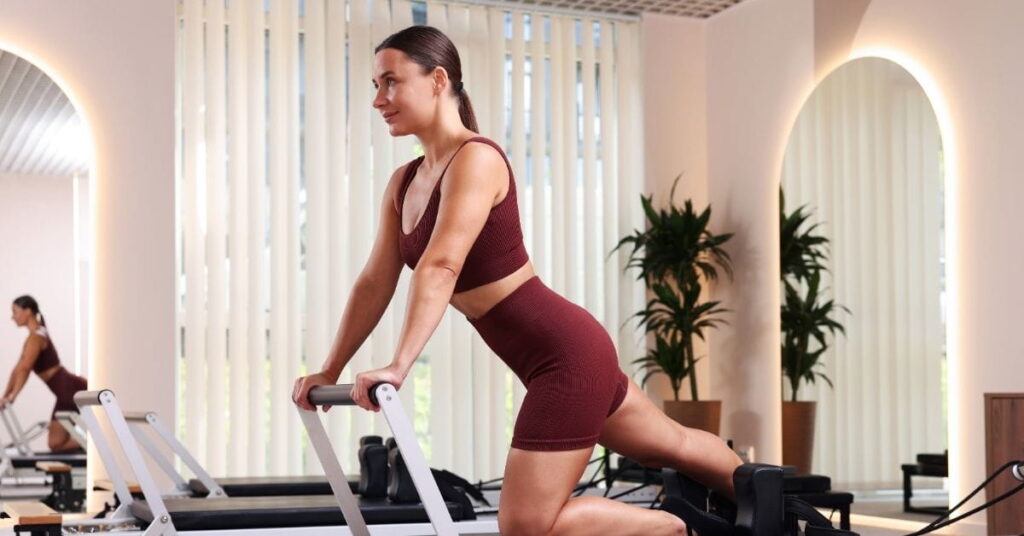

Do you want a workout that strengthens your entire body without putting strain on your joints? Pilates might be exactly what you need. Known for its focus on core stability, flexibility, and controlled movements, Pilates targets every major muscle group while improving posture and balance.
Whether you are a beginner or an experienced fitness enthusiast, integrating Pilates into your routine can boost endurance, tone muscles, and improve overall body alignment.
These 15 full-body Pilates moves are designed to challenge your strength, flexibility, and coordination, giving you a complete workout experience from the comfort of your home or studio. Let’s dive into these effective exercises and see how they transform your fitness journey.
What Makes Pilates Beneficial for the Body and Mind?
Pilates is a low-impact exercise method that works on both physical strength and mental focus. Unlike traditional workouts that isolate muscle groups, Pilates emphasizes whole-body integration, engaging the core, back, legs, and arms simultaneously.
This approach improves posture, increases flexibility, and strengthens stabilizing muscles, reducing the risk of injuries in daily activities or other workouts. Moreover, Pilates requires precise, controlled movements and deep breathing, which helps in enhancing body awareness and concentration.
Regular practice can relieve tension, promote better alignment, and boost endurance, making it suitable for people of all fitness levels. Beyond the physical benefits, Pilates can calm the mind, reduce stress, and improve overall well-being.
1. The Hundred
The Hundred is a classic Pilates exercise that warms up the body while engaging the core and increasing circulation. It strengthens the abdominals, improves lung capacity, and prepares the muscles for more intensive exercises.
This move also challenges endurance and coordination, making it a cornerstone of any full-body Pilates routine.
How to Do It?
- Lie on your back with legs raised at a 45-degree angle and arms extended alongside your body.
- Lift your head, neck, and shoulders off the mat while keeping your core engaged.
- Pump your arms up and down vigorously while inhaling for five counts and exhaling for five counts.
- Repeat this cycle ten times to reach 100 pumps.
- Keep your lower back pressed gently into the mat and maintain controlled breathing throughout.
How It Helps:
The Hundred improves core strength, enhances circulation, and builds stamina, preparing the body for more complex Pilates moves. It also engages stabilizing muscles, improving posture and body awareness.
2. Roll-Up
Roll-Up is an essential Pilates move that stretches the spine while strengthening the abdominal muscles. It promotes spinal flexibility, improves core stability, and encourages proper posture.
This move is highly effective for lengthening the muscles along the back and creating a balanced, strong midsection.
How to Do It?
- Lie flat on your back with legs extended and arms reaching overhead.
- Inhale deeply, then exhale as you slowly curl your spine off the mat, one vertebra at a time, reaching toward your toes.
- Keep your core engaged and arms extended forward throughout the movement.
- Pause at the top for a breath, then inhale as you roll back down slowly to the mat, maintaining control and smooth motion.
- Repeat for 8–10 controlled repetitions, focusing on slow, deliberate movements.
How It Helps:
Roll-Up strengthens the abdominal muscles, stretches the spine, and improves flexibility. It encourages controlled movement and body awareness, reducing tension in the back and increasing overall core stability.
3. Single-Leg Stretch
The Single-Leg Stretch targets the core while engaging the hip flexors and thighs. It is ideal for building abdominal endurance and improving coordination between the upper and lower body. This exercise also promotes spinal stability and helps in achieving a balanced, lean physique.
How to Do It?
- Lie on your back with knees pulled toward your chest and hands on your shins.
- Lift your head, neck, and shoulders off the mat while keeping the lower back pressed down.
- Extend your right leg outward at a 45-degree angle while keeping your left knee bent and close to your chest.
- Switch legs, pulling the opposite knee in while extending the other leg out, maintaining controlled breathing.
- Repeat for 10–12 alternating reps, keeping your core engaged and movements precise.
How It Helps:
This move strengthens the deep abdominal muscles, improves coordination, and stretches the hip flexors. It also enhances endurance and spinal stability for daily activities.
4. Spine Stretch Forward
Spine Stretch Forward is a seated Pilates exercise that promotes flexibility in the spine and hamstrings while engaging the core. It also encourages mindful breathing and helps in maintaining proper posture during everyday activities.
How to Do It?
- Sit tall on the mat with legs extended straight in front of you, feet flexed.
- Extend your arms forward, parallel to your legs, and engage your core.
- Inhale, then exhale as you slowly reach forward, articulating your spine one vertebra at a time toward your toes.
- Keep your shoulders relaxed and avoid rounding your upper back excessively.
- Hold for a moment at the maximum stretch, then inhale as you roll back up to a seated position.
- Repeat 6–8 times with slow, controlled movements.
How It Helps:
This exercise stretches the spine, hamstrings, and lower back while strengthening the core. It also improves posture, flexibility, and body awareness, making movements more fluid.
5. Rolling Like a Ball
Rolling Like a Ball is a fun and dynamic Pilates exercise that massages the spine while strengthening the abdominal muscles. It improves balance, coordination, and core stability, while also promoting fluid motion in the torso.
How to Do It?
- Sit on the mat with knees bent and feet flat, holding your shins lightly with your hands.
- Lift your feet off the mat, balancing on your sit bones, and curl your spine slightly to round your back.
- Inhale, then exhale as you roll backward onto your upper back, keeping your feet lifted and core engaged.
- Inhale as you roll back up to the starting position without letting your feet touch the floor.
- Repeat for 8–10 controlled reps, maintaining smooth, balanced motion throughout.
How It Helps:
This exercise strengthens the core, improves spinal flexibility, and enhances balance. It also massages the spine, reduces tension, and promotes better posture and coordination.
6. Double-Leg Stretch
Double-Leg Stretch is a Pilates classic that challenges the core while coordinating upper and lower body movements. It targets the abdominals, strengthens hip flexors, and improves overall body control. This exercise is excellent for building endurance and teaching precise, fluid motion between limbs and torso.
How to Do It?
- Lie on your back with knees pulled toward your chest and hands on your shins.
- Lift your head, neck, and shoulders off the mat, keeping the lower back pressed down.
- Inhale as you extend both arms overhead and both legs out at a 45-degree angle.
- Exhale as you circle your arms back to your shins and pull your knees in toward your chest.
- Keep your movements slow and controlled, engaging your core throughout, and repeat for 8–10 repetitions.
How It Helps:
Double-Leg Stretch strengthens the abdominals and hip flexors while improving coordination. It also enhances core endurance, body awareness, and stability during dynamic movements.
7. Saw
Saw is a seated Pilates exercise that stretches the spine, hamstrings, and shoulders while activating the obliques. It encourages rotational movement, improving spinal mobility and enhancing overall flexibility. This exercise is ideal for lengthening the torso and improving posture.
How to Do It?
- Sit on the mat with legs extended wide, feet flexed, and arms out to the sides at shoulder height.
- Engage your core, inhale deeply, and lengthen your spine.
- Exhale as you twist your torso to the right, reaching your left hand toward your right foot.
- Return to center, inhale, and repeat on the opposite side, maintaining smooth rotation.
- Perform 6–8 repetitions per side, keeping movements controlled and breathing steady.
How It Helps:
The Saw stretches the hamstrings and spine while strengthening the obliques. It enhances rotational flexibility, core control, and coordination for better posture and functional movement.
8. Leg Circles
Leg Circles are a Pilates exercise that strengthens the hips, thighs, and core while improving joint mobility and control. It’s excellent for targeting stabilizing muscles and enhancing flexibility in the lower body.
How to Do It?
- Lie on your back with one leg extended toward the ceiling and the other leg bent with the foot flat on the mat.
- Engage your core and stabilize your pelvis.
- Slowly trace small circles with your extended leg, keeping movements smooth and controlled.
- Perform 5–8 circles clockwise, then reverse direction.
- Switch legs and repeat, maintaining a steady breath and keeping your lower back pressed gently into the mat.
How It Helps:
Leg Circles improve hip flexibility, strengthen stabilizing muscles, and enhance core control. They also promote balance, coordination, and lower-body endurance for full-body stability.
9. Teaser
Teaser is a challenging Pilates move that engages the entire core, stretches the spine, and strengthens the hip flexors. It improves balance, coordination, and body awareness while creating a toned, stable midsection.
How to Do It?
- Lie on your back with knees bent and feet flat on the mat.
- Inhale and lift your arms overhead, then exhale as you roll up into a V-shape, extending your legs straight to a 45-degree angle.
- Keep your arms reaching forward and your core engaged, balancing on your sit bones.
- Hold briefly, then exhale as you roll back down slowly, one vertebra at a time, with control.
- Repeat for 6–8 repetitions, focusing on smooth, precise movement.
How It Helps:
Teaser strengthens the abdominals, hip flexors, and stabilizing muscles while improving balance. It also enhances spinal control, body alignment, and coordination for advanced Pilates practice.
10. Swimming
Swimming is a Pilates exercise that strengthens the back, glutes, and shoulders while improving endurance and coordination. It promotes spinal extension and counteracts the effects of prolonged sitting, making it great for posture and overall strength.
How to Do It?
- Lie face down on the mat with arms extended in front and legs straight.
- Lift your right arm and left leg a few inches off the mat while keeping your core engaged.
- Switch sides by lifting the left arm and right leg in a controlled fluttering motion.
- Continue alternating in a rhythmic, coordinated manner, inhaling and exhaling steadily.
- Perform 8–10 repetitions per side, maintaining lifted posture without straining the neck or lower back.
How It Helps:
Swimming strengthens the back, glutes, and shoulders while improving coordination and endurance. It also promotes spinal extension, counteracts tension, and enhances posture and body stability.
11. Side Kick Series
Side Kick Series is a dynamic Pilates exercise that strengthens the hips, glutes, and obliques while improving coordination and balance. It also stretches the inner thighs and promotes spinal stability, making it a great full-body move.
How to Do It?
- Lie on one side with your legs stacked and head resting on your lower arm.
- Place your top hand on the mat in front for support and engage your core.
- Lift the top leg to hip height, then swing it forward and backward in a controlled motion.
- Perform 8–10 repetitions, then lower the leg slowly.
- Switch sides and repeat, maintaining steady breathing and keeping your torso stable throughout.
How It Helps:
This exercise strengthens the hips, glutes, and obliques while improving balance and coordination. It also stretches inner thighs and enhances overall core stability for functional movement.
12. Rolling Side Plank
Rolling Side Plank is a challenging move that targets the obliques, shoulders, and core while improving balance and spinal control. It also strengthens the stabilizing muscles along the sides of the torso for better posture.
How to Do It?
- Begin in a side-lying position with your legs stacked and your elbow directly under your shoulder.
- Lift your hips off the mat into a side plank, engaging your core and keeping your body in a straight line.
- Slowly roll your hips slightly forward and backward while maintaining the plank position.
- Perform 8–10 controlled rolls, then switch sides.
- Keep breathing evenly and avoid collapsing the torso or letting the hips sag.
How It Helps:
This exercise strengthens obliques, shoulders, and stabilizing muscles. It also improves balance, coordination, and core control, contributing to better posture and functional strength.
13. Criss-Cross
Criss-Cross is a Pilates exercise that targets the obliques and strengthens the deep core muscles while promoting spinal rotation and coordination. It’s excellent for sculpting the waistline and improving overall core stability.
How to Do It?
- Lie on your back with knees bent toward your chest and hands behind your head.
- Lift your head, neck, and shoulders off the mat, engaging your core.
- Twist your torso to bring your right elbow toward your left knee while extending the right leg out at a 45-degree angle.
- Switch sides, bringing your left elbow toward your right knee, maintaining control and steady breathing.
- Repeat 10–12 alternating repetitions, keeping your movements slow and precise.
How It Helps:
Criss-Cross strengthens the obliques and deep core muscles while improving rotational flexibility. It also enhances coordination, spinal control, and abdominal endurance for a balanced midsection.
14. Teaser with Twist
Teaser with Twist is an advanced Pilates variation that strengthens the core, hip flexors, and obliques while challenging balance and coordination. It also engages the spine and improves flexibility in a controlled manner.
How to Do It?
- Lie on your back with knees bent and arms reaching overhead.
- Roll up into a V-sit position with legs extended at a 45-degree angle.
- Twist your torso to one side while keeping your arms parallel to your legs.
- Return to the center and twist to the opposite side, maintaining control and stability.
- Repeat 6–8 times per side, focusing on slow, deliberate movements and steady breathing.
How It Helps:
This exercise strengthens the entire core, including obliques and hip flexors. It improves balance, coordination, and spinal flexibility while enhancing body control and posture.
15. Plank to Pike
Plank to Pike is a full-body Pilates move that engages the core, shoulders, and legs while improving flexibility and stability. It strengthens the abdominals, back, and glutes, providing a comprehensive, challenging workout.
How to Do It?
- Begin in a forearm plank position with shoulders aligned over elbows and feet hip-width apart.
- Engage your core and lift your hips toward the ceiling into a pike position.
- Hold briefly, then lower your hips back into the forearm plank.
- Repeat for 8–10 repetitions, keeping movements controlled and smooth.
- Maintain steady breathing and avoid letting your lower back sag or your shoulders collapse.
How It Helps:
This exercise strengthens the core, shoulders, and glutes while improving flexibility and stability. It also enhances body control, balance, and endurance for a total-body workout.
Conclusion
These 15 full-body Pilates moves provide a complete workout that strengthens the core, improves flexibility, and promotes balance and coordination. Regular practice enhances posture, builds endurance, and increases overall body awareness. Incorporating these exercises into your routine can help you achieve a stronger, more stable, and flexible body over time.