
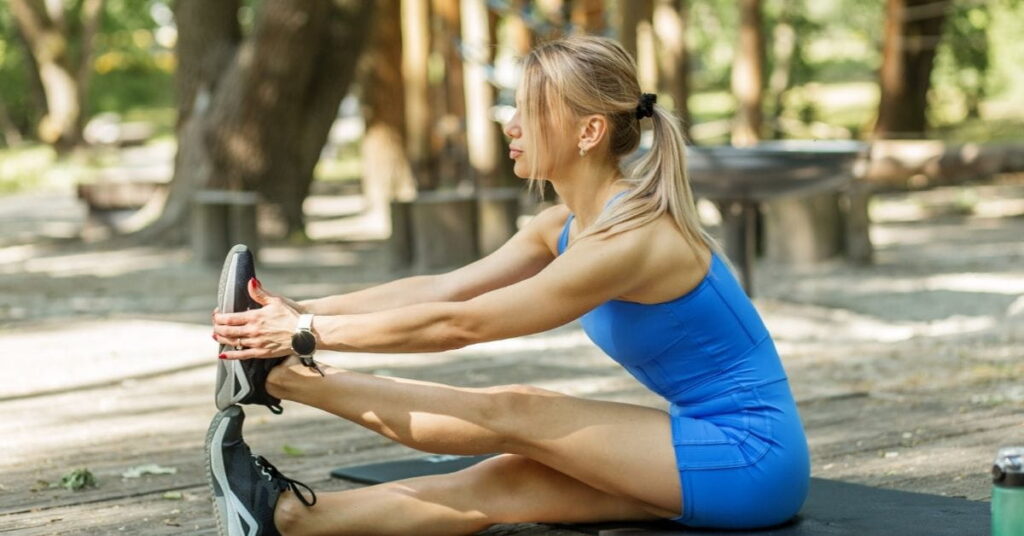

Do you often feel tightness or soreness in your muscles after a workout? Post-workout stretches are essential for helping your body transition from intense exercise to a relaxed state, promoting faster recovery and reducing stiffness.
By targeting major muscle groups through simple stretches, you can release tension, improve flexibility, and support overall performance in future workouts. Incorporating these stretches into your routine not only aids in removing lactic acid buildup but also enhances blood circulation and prevents injuries.
Whether you’ve completed strength training, cardio, or flexibility exercises, dedicating just a few minutes to post-workout stretches can make a significant difference in how your muscles feel and how efficiently your body recovers.
Importance of Post-Workout Stretches
Post-workout stretches are a crucial part of any fitness routine, helping your body transition from high-intensity activity to a relaxed state.
After exercise, muscles are warm and slightly contracted, which makes them more pliable and responsive to stretching. Performing stretches at this stage helps lengthen muscles, improve flexibility, and restore proper muscle balance, reducing the risk of strains and injuries.
Stretching also promotes better blood circulation, which delivers oxygen and nutrients to fatigued muscles while helping flush out lactic acid and other metabolic waste products.
This process reduces muscle soreness, speeds up recovery, and prepares the body for the next workout session. In addition to physical benefits, post-workout stretches support joint mobility and improve the range of motion, which is essential for maintaining proper posture and functional movement.
Incorporating controlled breathing during stretches also helps calm the nervous system, reducing stress and promoting mental relaxation.
Regularly including post-workout stretches enhances overall performance, supports muscle recovery, and contributes to long-term fitness sustainability.
Just a few minutes of focused stretching can prevent tightness, improve flexibility, and ensure your body remains resilient, balanced, and ready for future training sessions.
1. Chest Stretch
The chest stretch targets the pectoral muscles, helping release tension in the chest and shoulders. It also supports better posture by opening the front of the body after exercises like push-ups, bench presses, or cardio routines that tighten the chest. This stretch is simple yet highly effective for upper-body recovery and flexibility.
How to Do It?
- Stand in a doorway or next to a wall, placing your forearms on each side at shoulder height.
- Step forward gently with one foot while keeping your arms in place to feel a stretch across the chest.
- Keep your shoulders down and back, avoiding hunching or tensing the neck.
- Hold the position for 20-30 seconds, breathing deeply and steadily.
- Adjust the distance from the doorway or wall to increase or decrease the stretch intensity.
- Slowly step back to release the stretch and repeat once more if needed.
- Perform 2-3 sets to fully relax the chest muscles.
How It Helps
The chest stretch opens tight pectoral muscles, relieving tension in the shoulders and upper back. It promotes better posture and shoulder mobility, reducing the risk of muscle imbalances or injury. Consistent practice enhances flexibility, eases muscle soreness, and supports recovery after upper-body workouts.
2. Overhead Triceps Stretch
This stretch focuses on the triceps and shoulders, areas that can become tight after pressing or lifting exercises. It helps lengthen the muscles along the back of the arm while improving upper body flexibility and range of motion.
How to Do It?
- Raise your right arm overhead and bend it at the elbow so your hand reaches toward the upper back.
- Use your left hand to gently pull the right elbow toward your head, feeling a stretch in the triceps and shoulder.
- Keep your spine straight and avoid arching your back or leaning sideways.
- Hold the stretch for 20-30 seconds while breathing slowly and deeply.
- Switch arms and repeat the same motion on the other side.
- Perform 2-3 sets per arm to ensure proper relaxation and elongation of the triceps.
- Focus on slow, controlled movements to prevent strain or discomfort.
How It Helps
The overhead triceps stretch relieves tightness in the upper arms and shoulders while improving flexibility and mobility. Regular stretching in this area reduces soreness after upper-body workouts, prevents injury, and allows smoother execution of pressing and lifting exercises in future sessions.
3. Shoulder Stretch
The shoulder stretch targets the deltoids and upper back muscles, helping release tension after weight training, rowing, or cardio exercises that involve arm movements. It is effective for improving shoulder mobility and preventing stiffness.
How to Do It?
- Extend your right arm across your chest at shoulder height.
- Use your left arm to gently press the right arm closer to your chest, keeping your shoulders relaxed.
- Avoid lifting your shoulder toward your ears; keep it down and relaxed.
- Hold the stretch for 20-30 seconds while maintaining slow, deep breaths.
- Repeat on the opposite side, performing 2-3 sets per arm.
- Focus on controlled movements, ensuring you feel a gentle stretch without discomfort.
- Incorporate this stretch into your post-workout routine for balanced upper body recovery.
How It Helps
Shoulder stretches relieve tension in the deltoids, upper back, and rotator cuff muscles. They improve mobility, reduce soreness, and enhance posture while promoting overall upper body flexibility. Regular practice decreases the risk of shoulder injuries and helps maintain smooth movement during workouts.
4. Quadriceps Stretch
The quadriceps stretch targets the front thigh muscles, which can become tight after running, cycling, squats, or lunges. It improves flexibility, reduces post-workout soreness, and supports better knee and hip function.
How to Do It?
- Stand on your left leg and bend your right knee, bringing your right foot toward your glutes.
- Grab your right ankle with your right hand, keeping your knees close together.
- Maintain a straight posture, keeping your chest lifted and core engaged.
- Hold the stretch for 20-30 seconds while taking deep, steady breaths.
- Switch legs and repeat the same stretch on the other side.
- Perform 2-3 sets per leg to fully relax the quadriceps.
- Avoid leaning forward or arching your back; maintain alignment to prevent strain.
How It Helps
Quadriceps stretches relieve tension in the front thigh muscles, improving flexibility and range of motion in the knees and hips. They reduce post-workout soreness, enhance recovery, and support better performance in lower-body exercises. Consistent stretching also helps prevent strains and injuries.
5. Hamstring Stretch
The hamstring stretch targets the muscles at the back of your thighs, which often become tight after running, cycling, or squats. Stretching the hamstrings improves flexibility, reduces muscle soreness, and helps maintain proper posture.
How to Do It?
- Sit on the floor with your left leg extended straight and your right leg bent, placing the sole of your right foot against the inner thigh of your left leg.
- Hinge forward at your hips, reaching toward your left foot with both hands while keeping your back straight.
- Hold the position gently without forcing the stretch or rounding your spine.
- Maintain deep, steady breaths as you feel the stretch along the back of your thigh.
- Hold for 20-30 seconds, then switch legs and repeat.
- Perform 2-3 sets per leg, focusing on controlled movements.
- Keep your shoulders relaxed and avoid tensing your neck during the stretch.
How It Helps
Hamstring stretches increase flexibility in the posterior thigh muscles, reduce post-workout tightness, and improve overall leg mobility. They also support proper alignment of the pelvis and lower back, preventing strains and enhancing recovery after leg-intensive exercises.
6. Calf Stretch
The calf stretch targets the muscles at the back of your lower leg, which can become tight after running, jumping, or strength training. Stretching the calves helps prevent soreness, improves ankle mobility, and reduces the risk of lower-leg injuries.
How to Do It?
- Stand facing a wall, placing your hands at shoulder height for support.
- Step back with your right leg, keeping the heel pressed into the ground and toes pointing forward.
- Bend your left knee slightly while keeping your right leg straight to deepen the stretch.
- Hold the stretch for 20-30 seconds while breathing slowly and steadily.
- Switch legs and repeat the stretch for the opposite side.
- Perform 2-3 sets per leg, adjusting distance from the wall to modify intensity.
- Keep your back straight and avoid leaning forward excessively during the stretch.
How It Helps
Calf stretches relieve tension in the gastrocnemius and soleus muscles, improving lower leg flexibility and ankle mobility. Regular practice reduces soreness, enhances circulation, and helps prevent common injuries such as calf strains or Achilles tendon issues.
7. Standing Forward Bend
The standing forward bend is a full-body stretch that primarily targets the hamstrings, lower back, and spine. It relaxes the posterior chain muscles and helps release tension accumulated during a workout.
How to Do It?
- Stand with feet hip-width apart and knees slightly bent if needed for comfort.
- Hinge at the hips and slowly bend forward, letting your torso hang toward the floor.
- Allow your arms to dangle naturally or reach toward the floor for a deeper stretch.
- Keep your neck relaxed and head heavy, avoiding any tension in the shoulders.
- Hold the position for 20-30 seconds, focusing on slow, controlled breathing.
- Slowly roll up to a standing position to avoid dizziness.
- Repeat 2-3 times, ensuring smooth and steady movements.
How It Helps
Standing forward bends lengthen the hamstrings, spine, and lower back muscles, improving flexibility and reducing stiffness. They promote relaxation, relieve tension, and enhance circulation, helping the body recover efficiently after both upper- and lower-body workouts.
8. Child’s Pose
Child’s Pose is a restorative stretch that targets the back, shoulders, and hips. It provides a gentle way to release tension while calming the mind and encouraging full-body relaxation after an intense workout.
How to Do It?
- Kneel on the floor with your big toes touching and knees slightly apart.
- Sit back onto your heels while extending your arms forward on the mat.
- Lower your forehead gently toward the floor, keeping your arms stretched in front of you.
- Relax your shoulders and breathe deeply, feeling the stretch in your back, shoulders, and hips.
- Hold for 30-60 seconds, maintaining steady and deep breaths.
- Repeat 2-3 times if needed, adjusting the distance between your knees for comfort.
- Focus on gentle elongation of the spine and full-body relaxation throughout the pose.
How It Helps
Child’s Pose gently stretches the spine, shoulders, and hips, relieving tension after a workout. It promotes relaxation, improves flexibility, and supports recovery by increasing blood flow to fatigued muscles while calming the nervous system.
9. Seated Twist
The seated twist targets the spine, obliques, and back muscles, helping release tension accumulated during core or twisting exercises. It also improves spinal mobility and aids digestion after a workout.
How to Do It?
- Sit on the floor with both legs extended straight in front of you.
- Bend your right knee and cross it over your left leg, placing your right foot flat on the floor.
- Place your right hand behind you for support and your left elbow outside the right knee.
- Twist your torso gently to look over your right shoulder, keeping your spine straight.
- Hold the position for 20-30 seconds while breathing deeply.
- Repeat on the opposite side, performing 2-3 sets per side.
- Move slowly to avoid overstretching or straining your spine.
How It Helps
Seated twists improve spinal flexibility and stretch the obliques, helping relieve tension in the back and sides. They also enhance posture, support recovery from rotational exercises, and contribute to overall spinal health.
10. Butterfly Stretch
The butterfly stretch targets the inner thighs and groin, helping release tension after leg workouts. It also promotes flexibility in the hips and lower body, improving overall mobility.
How to Do It?
- Sit on the floor with the soles of your feet pressed together and knees falling outward.
- Hold your feet with your hands and gently pull them closer to your body.
- Lean forward slightly from your hips to deepen the stretch, keeping your back straight.
- Hold for 20-30 seconds while breathing deeply and relaxing the inner thigh muscles.
- Repeat 2-3 times for maximum effectiveness.
- Avoid forcing your knees toward the floor; let them open naturally.
- Maintain gentle tension throughout without bouncing or jerking.
How It Helps
The butterfly stretch lengthens the inner thighs and groin, improving hip flexibility and mobility. It reduces tension from squats or lunges, enhances lower-body recovery, and prevents injuries caused by tight adductor muscles.
11. Cat-Cow Stretch
The Cat-Cow stretch promotes spinal mobility and stretches the back, shoulders, and core. It’s especially beneficial after exercises that compress the spine or involve core engagement.
How to Do It?
- Begin on your hands and knees in a tabletop position with wrists under shoulders and knees under hips.
- Inhale, arch your back, lift your head and tailbone toward the ceiling for Cow Pose.
- Exhale, round your spine, tuck your chin, and draw your belly button toward your spine for Cat Pose.
- Continue flowing between Cat and Cow for 30-60 seconds while breathing deeply.
- Focus on slow, controlled movements, syncing your breath with the motion.
- Perform 2-3 sets to loosen the spine and release tension.
- Avoid collapsing your shoulders or hips during transitions.
How It Helps
Cat-Cow stretches enhance spinal flexibility, improve posture, and relieve tension in the back, shoulders, and core. Regular practice supports recovery from strength training, reduces stiffness, and promotes circulation to fatigued muscles.
12. Side Stretch
The side stretch targets the obliques, intercostal muscles, and shoulders, helping relieve tension from twisting and lateral movements during workouts. It improves flexibility along the sides of the body.
How to Do It?
- Stand with feet hip-width apart and arms extended overhead.
- Interlace your fingers and lean gently to the right, feeling a stretch along the left side of your torso.
- Hold the stretch for 20-30 seconds while breathing deeply.
- Return to the center and repeat on the opposite side.
- Perform 2-3 sets per side, moving slowly to avoid overstretching.
- Keep your hips stable and avoid leaning forward or backward.
- Focus on elongating the spine and stretching the oblique muscles fully.
How It Helps
Side stretches lengthen the obliques and intercostal muscles, improving flexibility and mobility in the torso. They release tension after twisting exercises, enhance posture, and support better performance in core and upper-body movements.
Conclusion
Incorporating post-workout stretches into your fitness routine is essential for muscle recovery, flexibility, and injury prevention. By dedicating just a few minutes to these 12 easy stretches, you can relieve tension, improve circulation, and ensure your body is prepared for future workouts, helping you maintain consistency and long-term results.