
Have you ever wondered why crunches remain one of the most popular ab exercises despite the rise of planks and other core workouts? Crunches specifically target your rectus abdominis, the “six-pack” muscle, while also engaging your obliques and hip flexors.
They are simple, require no equipment, and can be done anywhere, making them an ideal choice for beginners and seasoned fitness enthusiasts alike.
Performed correctly, crunches strengthen the core, improve posture, and support everyday movements. However, incorrect form can lead to neck strain or reduced effectiveness. This guide explains what crunches are, their benefits, how to do them correctly, and the most common mistakes to avoid so you can get the most from every rep.
What Are Crunches?
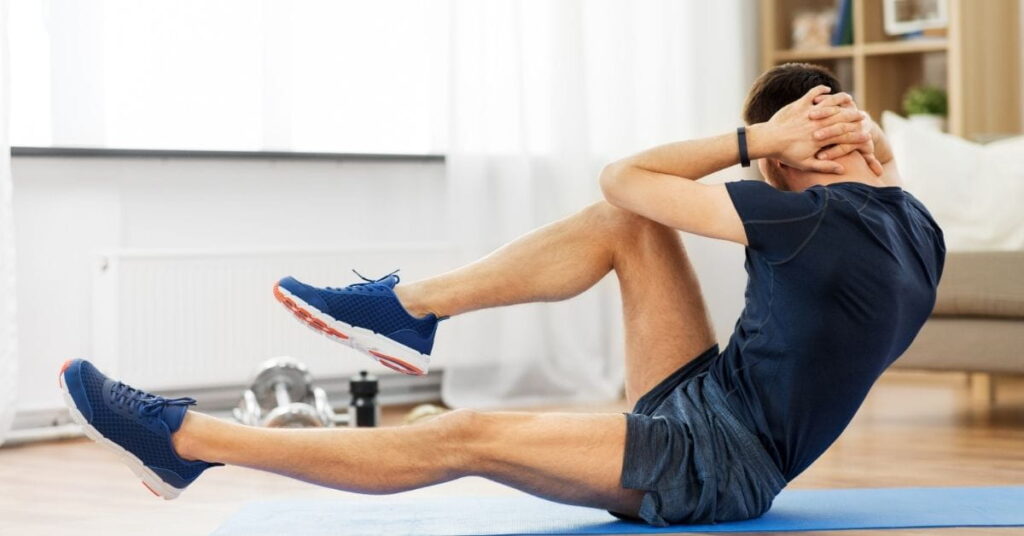
Crunches are a classic spine flexion exercise designed to engage your abdominal muscles by lifting your shoulders and upper back off the ground while keeping your lower back pressed into the floor.
Unlike full sit-ups, which involve lifting the entire torso, crunches isolate the rectus abdominis with minimal movement, making them safer for beginners. This exercise also recruits the obliques and hip flexors for stability and support.
The traditional crunch lifts the torso only about 30 degrees, forming a C-shaped curve in the spine, which strengthens the core without placing excessive stress on the lower back.
By repeatedly flexing the spine in a controlled manner, crunches improve core strength, posture, and the ability to perform everyday activities with greater ease.
Benefits of Crunches
Crunches offer numerous benefits for anyone looking to build a strong, functional core. Some of the most notable advantages include:
- Strengthens Rectus Abdominis: Crunches target the six-pack muscles directly, helping develop core strength and endurance, which supports balance, posture, and stability in daily activities.
- Supports Obliques: While primarily focused on the front ab muscles, crunches also engage side abs, improving rotational stability and enhancing functional movement.
- Improves Posture: A strong core keeps your spine aligned and supports better posture, reducing strain on the lower back during prolonged sitting or standing.
- Enhances Athletic Performance: Core strength from crunches improves overall performance in activities that require twisting, bending, or sudden movements, such as running, swimming, or playing sports.
- Low Equipment Requirement: Crunches require no gym equipment, making them accessible for home workouts, travel routines, or short fitness breaks throughout the day.
- Reduced Risk Compared to Sit-Ups: Because crunches involve limited spinal flexion, they place less stress on the lumbar spine and hip flexors compared to full sit-ups.
- Supports Daily Functional Movements: Crunches help in lifting, bending, and twisting actions during everyday tasks, providing functional strength that reduces fatigue and improves efficiency.
- Easy to Modify: Beginners can perform basic crunches, while advanced exercisers can add variations such as weighted crunches or stability ball crunches for increased intensity.
- Encourages Controlled Movements: By focusing on slow, deliberate flexion of the spine, crunches promote muscle awareness and help prevent injury from uncontrolled motion.
- Accessible for All Fitness Levels: Crunches can be adapted to individual strength, flexibility, or mobility needs, making them suitable for beginners and advanced trainees alike.
Additional benefits include:
- Strengthens Core Stability
- Supports Weight Management
- Enhances Mind-Muscle Connection
- Improves Balance and Coordination
- Adaptable for All Levels
- Supports Back Health
- Convenient and Efficient
- Variety of Modifications
- Improves Post-Exercise Recovery
- Builds Confidence in Fitness
How to Do Crunches
Performing crunches correctly is essential for maximizing benefits while minimizing strain on your neck and lower back. Follow these detailed steps:
1. Starting Position:
- Lie on your back with your knees bent at about 90 degrees and feet flat on the floor, spaced comfortably apart.
- Place your hands either lightly on your temples or crossed over your chest.
- Keep your head and neck neutral, looking up toward the ceiling.
2. Engage Core:
- Tighten your abdominal muscles and gently draw your navel toward your spine.
- This activation helps isolate the rectus abdominis and reduces reliance on the neck or hip flexors.
3. Upward Movement:
- Exhale and slowly lift your head, neck, and shoulders off the floor, curling your torso toward your thighs.
- Focus on lifting with your abs rather than pulling with your hands or neck.
- Hold the top position for one to two seconds.
4. Downward Movement:
- Inhale and slowly lower your torso back down to the floor with control.
- Avoid letting your shoulders drop abruptly.
- Keep your lower back pressed into the floor throughout the movement.
5. Repetition and Rhythm:
- Perform the desired number of repetitions in a slow, controlled manner.
- Maintain smooth, deliberate motion rather than using momentum to lift your torso.
6. Tips for Safety:
- Keep your neck relaxed, avoid lifting too high into a full sit-up, and ensure you’re breathing steadily.
- Focus on feeling the contraction in your abs rather than completing a high number of reps.
Common Mistakes While Doing Crunches
Even small errors can reduce the effectiveness of crunches or lead to strain. Common mistakes include:
- Pulling on the Neck: Using your hands to yank your head forward shifts effort away from the abs and can strain the cervical spine. Always lift with your abdominal muscles.
- Using Momentum: Jerking the torso upward instead of performing controlled movement engages the hip flexors more than the abs and can cause lower back discomfort.
- Lifting Too High: Attempting to rise into a full sit-up transforms the crunch into a different exercise and increases strain on the spine. Focus on a small range of motion.
- Holding Breath: Not breathing properly reduces performance and can cause tension. Exhale during the upward crunch and inhale while lowering down.
- Overtraining for Fat Loss: Crunches alone do not burn belly fat. Combine core exercises with overall activity and a balanced diet.
- Neglecting Back Strength: Focusing solely on crunches can create muscular imbalance. Pair ab exercises with back strengthening movements for posture support.
- Incorrect Foot Placement: Anchoring feet incorrectly or letting them lift can reduce effectiveness and shift strain to the hips. Feet should remain flat and stable.
- Incorrect Arm Position: Placing hands behind the head and pulling can lead to neck strain. Lightly support the head or cross arms on your chest.
- Rushing Reps: Performing crunches too quickly reduces effectiveness and increases injury risk. Focus on slow, controlled movements.
- Neglecting Core Engagement: Failing to tighten the abdominal muscles diminishes results. Actively engage your core throughout the movement.
- Ignoring Alignment: Letting shoulders twist or hips lift reduces the isolation of the abs. Keep movements straight and controlled.
- Skipping Warm-Up: Not warming up the core and spine can increase discomfort or risk of strain. A short warm-up of light stretches or marching in place helps prepare muscles.
By being mindful of these common errors, you can perform crunches safely and effectively, targeting the core while minimizing unnecessary strain on your neck and back. Proper form ensures maximum benefits and reduces the likelihood of injury, making your workouts more productive.
Conclusion
Crunches remain a simple yet effective exercise to strengthen the core, improve posture, and support overall fitness when done correctly. Focusing on proper form, controlled movements, and balanced training maximizes benefits while reducing injury risk. Consistency and mindful practice will help you build a stronger, more stable core for everyday life.