
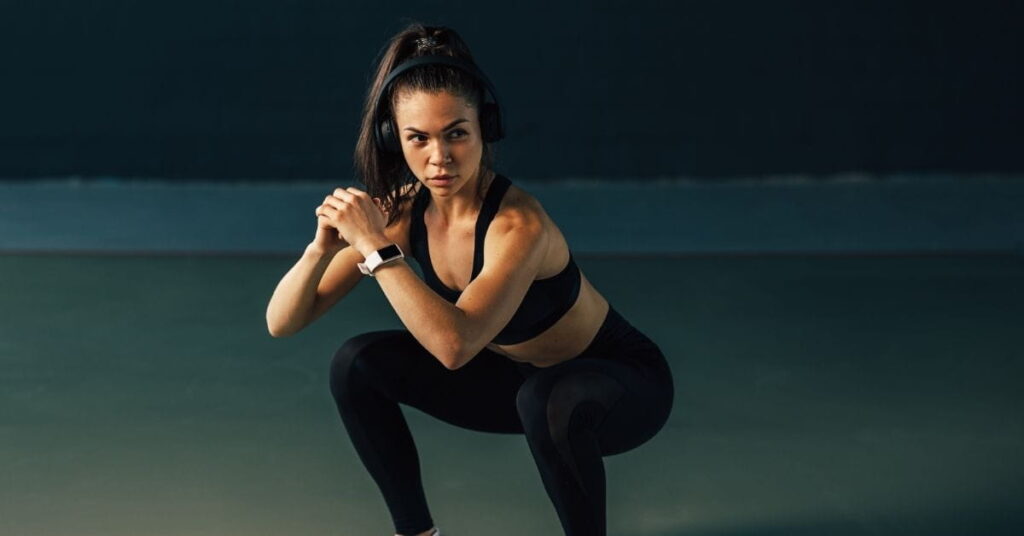
Have you ever wondered why squats are a staple in almost every workout routine? Whether you are new to fitness or a seasoned gym-goer, squats are often recommended for building strength, improving mobility, and supporting overall health.
Yet, many people perform them incorrectly or avoid them altogether due to perceived difficulty. The truth is, squats are a versatile and highly effective exercise that targets multiple muscle groups at once, from your legs and glutes to your core and lower back.
Understanding the right technique and variations can make squats safer and more productive. In this blog, we will break down the meaning of squats, explore different types, discuss their benefits, guide you through proper execution, and highlight common mistakes to avoid.
What Are Squats?
A squat is a lower-body exercise that primarily targets the muscles of your thighs, hips, and buttocks while also engaging your core. Essentially, it involves bending your knees and lowering your hips from a standing position, then returning to standing.
This movement mimics a natural motion that your body performs daily, such as sitting down and standing up, making it a functional exercise for strength and stability.
Squats can be performed using just your body weight or with additional resistance like dumbbells, barbells, or resistance bands. The exercise can be modified to suit beginners or advanced fitness enthusiasts, and it helps in building muscle mass, increasing flexibility, and boosting overall endurance.
By incorporating squats into your routine, you work multiple joints and muscles simultaneously, improving balance, coordination, and overall lower-body strength.
Benefits of Squats
Squats are more than just a lower-body exercise; they provide a wide range of physical and mental benefits that make them essential for anyone looking to improve overall fitness. Here’s a detailed look at the advantages of incorporating squats into your workout routine:
1. Strengthens Lower Body Muscles
Squats target key muscle groups including the quadriceps, hamstrings, glutes, and calves. Regular practice helps build muscle strength and endurance, making daily activities such as walking, climbing stairs, or lifting objects easier and less strenuous.
2. Engages the Core
Performing squats correctly activates your core muscles, including the abdominals and lower back. A strong core improves posture, stability, and balance, reducing the risk of falls and injuries in everyday life.
3. Supports Joint Health
Squats help maintain healthy joints by promoting flexibility and mobility in the hips, knees, and ankles. Moving through a full range of motion lubricates joints, reduces stiffness, and can prevent age-related deterioration.
4. Boosts Functional Fitness
Squats mimic natural movements like sitting and standing, which enhances your functional strength. This makes daily tasks more manageable and supports better body mechanics during sports or physical activities.
5. Burns Calories
Due to the involvement of large muscle groups, squats burn a significant number of calories, making them effective for weight management. Adding resistance or performing high-repetition squats can increase calorie expenditure further.
6. Improves Balance and Coordination
Squats require control and stability, which engages smaller stabilizing muscles. Over time, this improves balance and coordination, contributing to better athletic performance and reducing the risk of falls.
7. Increases Hormone Release
Compound exercises like squats stimulate the release of hormones such as testosterone and human growth hormone. These hormones play a crucial role in muscle growth, fat loss, and overall physical development.
8. Enhances Posture
By strengthening the back, core, and lower body muscles, squats contribute to improved posture. Stronger muscles support the spine, reducing slouching and alleviating back discomfort.
9. Supports Cardiovascular Health
High-repetition squats or squat variations that involve continuous movement can elevate the heart rate, offering a cardiovascular benefit alongside strength training.
10. Strengthens Bones
Weight-bearing exercises like squats stimulate bone growth and increase bone density. This can help prevent conditions such as osteoporosis and support long-term skeletal health.
11. Boosts Athletic Performance
Squats improve speed, agility, and power, which are essential for sports performance. Strong legs and a stable core enhance jumping ability, sprinting, and overall athletic movements.
12. Enhances Flexibility
Performing squats through a full range of motion stretches the hips, knees, and ankles. Increased flexibility in these areas can reduce stiffness and improve mobility for other exercises and daily activities.
13. Mental Benefits
Squats also promote mental focus and discipline. Maintaining proper form requires concentration, and completing challenging sets can boost confidence and provide a sense of accomplishment.
14. Versatility
Squats can be adapted to different fitness levels. Beginners can start with bodyweight squats, while advanced athletes can use weights or perform variations like jump squats, split squats, or pistol squats for added challenge.
Incorporating squats into your workout routine consistently can lead to noticeable improvements in strength, endurance, and overall fitness. Their multiple benefits make them a foundational exercise for anyone looking to build a stronger, healthier body.
How to Do Squats?
Performing squats with proper form is essential to gain benefits and prevent injuries. Follow these step-by-step instructions for a standard bodyweight squat:
1. Start with Your Stance
- Stand with your feet shoulder-width apart, toes pointing slightly outward.
- Keep your chest up, shoulders back, and gaze forward.
2. Engage Your Core
- Tighten your abdominal muscles.
- Engaging your core protects your lower back and provides stability while performing the squat.
3. Begin the Descent
- Bend at your hips and knees simultaneously, pushing your hips backward as if sitting in a chair.
- Keep your chest upright and avoid leaning too far forward.
- Your knees should track over your toes, not collapse inward.
4. Lower Your Body
- Continue descending until your thighs are parallel to the ground or as far as your flexibility allows without discomfort.
- Ensure your weight is evenly distributed on your heels and mid-foot, not the toes.
5. Maintain Proper Alignment
- Keep your back straight and avoid rounding your spine.
- Your knees should stay aligned with your feet.
- Keep your head neutral, avoiding excessive tilting upward or downward.
6. Rise Back Up
- Press through your heels and extend your knees and hips to return to the starting position.
- Squeeze your glutes at the top to engage the muscles fully.
- Avoid locking your knees forcefully.
7. Breathe Properly
- Inhale as you lower your body.
- Exhale while rising back up.
8. Adjustments and Variations
- For Beginners: Use a chair behind you as a guide to ensure proper depth and support.
- With Weights: Hold dumbbells at your sides or a barbell across your shoulders, keeping your core engaged throughout.
- Advanced Variations: Try jump squats, pistol squats, or split squats to challenge balance, strength, and coordination further.
9. Repetitions and Sets
- Start with 2–3 sets of 10–15 repetitions for bodyweight squats.
- Gradually increase repetitions or add resistance as strength improves.
- Focus on quality over quantity to maintain proper form.
Proper execution ensures that squats effectively target the intended muscle groups while minimizing the risk of injury. Practicing consistently and paying attention to form will lead to significant improvements in strength, balance, and mobility.
Common Mistakes While Doing Squats
Even small errors in squat form can reduce effectiveness and increase the risk of injury. Here are some common mistakes to watch out for:
1. Knees Collapsing Inward
A frequent error is letting your knees cave inward during the squat. This misalignment can strain the knee joints and reduce glute engagement. Keep knees aligned with your toes.
2. Rounding the Back
Allowing your lower or upper back to round places unnecessary stress on the spine. Maintain a straight back by engaging your core and keeping your chest upright.
3. Lifting Heels Off the Ground
Rising onto your toes shifts weight forward and strains the knees. Keep your weight on your heels and mid-foot to activate the correct muscles.
4. Shallow Squats
Not going low enough reduces the benefits of the exercise. Aim for thighs at least parallel to the ground, or deeper if mobility allows. Avoid forcing depth that causes discomfort.
5. Improper Head Position
Looking too far up or down can affect spine alignment and balance. Keep your head neutral with gaze forward or slightly down.
6. Using Momentum
Bouncing at the bottom or using momentum reduces muscle engagement and increases injury risk. Perform controlled movements with proper form.
7. Holding Breath Incorrectly
Failing to breathe properly can cause tension and dizziness. Inhale while lowering and exhale while rising.
By being aware of these mistakes and correcting them, you can maximize the benefits of squats while keeping your joints and muscles safe. Consistent practice with proper form is key to improving strength, stability, and overall fitness.
Conclusion
Squats are a fundamental exercise that strengthens the lower body, engages the core, and supports overall fitness. By performing them correctly and avoiding common mistakes, you can build strength, improve balance, and enhance mobility. Incorporate squats into your routine consistently for noticeable results in both performance and daily activities.