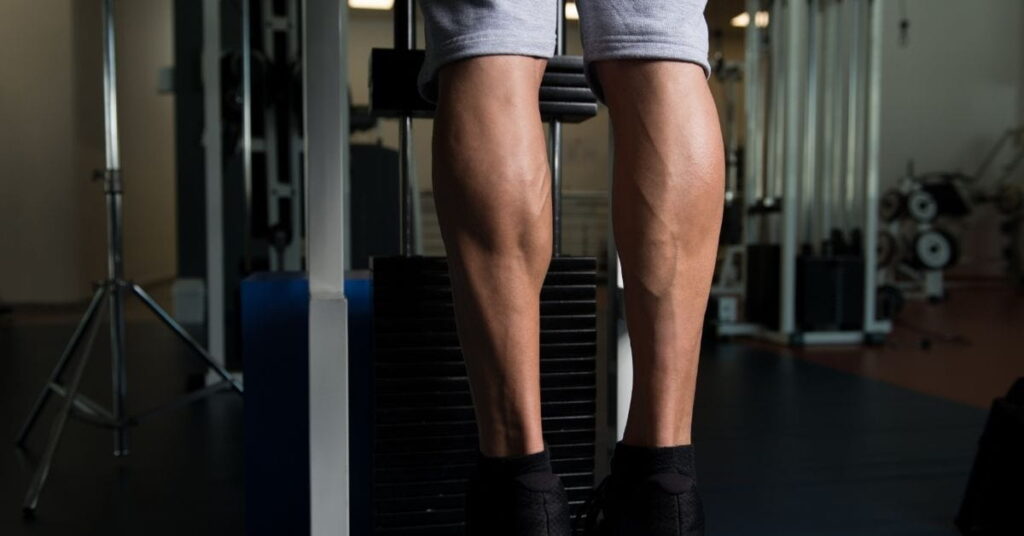

Have you ever wondered why your legs still look incomplete even after intense leg days at the gym? Strong calves are the foundation of powerful, balanced legs, yet they are often ignored in regular workout routines.
Well-developed calf muscles improve athletic performance, support ankle stability, and help prevent injuries during running, jumping, and lifting. Training your calves properly also improves posture and overall lower-body strength.
Whether you are a beginner or someone who already trains consistently, adding focused calf exercises can make a noticeable difference in your leg definition and strength. Here are 12 effective calves workout exercises that will help you build strong, steady, and muscular lower legs.
1. Standing Calf Raises
Standing calf raises are one of the most reliable exercises for building calf strength and size because they directly target the gastrocnemius muscle, which forms the visible upper part of the calf.
This exercise uses your body weight or added resistance to create tension in the calves while improving ankle stability and lower-leg endurance.
It is simple yet powerful and can be performed anywhere, making it suitable for beginners and advanced individuals alike. Regular practice helps create stronger push-off power during walking, running, and jumping activities.
How to Do It?
- Stand upright with your feet hip-width apart, keeping your spine straight and shoulders relaxed throughout the movement.
- Place your hands on your hips or hold dumbbells at your sides for added resistance.
- Slowly lift your heels off the floor by pressing through the balls of your feet, ensuring your weight stays evenly distributed.
- Rise as high as possible while tightening your calf muscles at the top of the movement.
- Pause briefly at the highest point to increase muscle engagement and maintain balance.
- Gradually lower your heels back down in a controlled motion without dropping them quickly.
- Repeat the movement for the desired number of repetitions while maintaining steady breathing.
How It Helps
Standing calf raises strengthen the gastrocnemius muscle, improve ankle mobility, and increase lower-leg endurance. They also support better balance and posture while reducing the risk of ankle injuries.
This exercise contributes to improved athletic performance by increasing push-off strength during sprints and jumps.
2. Seated Calf Raises
Seated calf raises primarily target the soleus muscle, which lies beneath the gastrocnemius and plays a key role in calf thickness and endurance. Since the knees remain bent during this exercise, the soleus muscle is activated more effectively.
This movement is especially beneficial for athletes who need sustained lower-leg strength during long activities like running or cycling. Incorporating seated calf raises into your routine ensures balanced calf development and better muscular stability in the lower legs.
How to Do It?
- Sit on a bench with your feet flat on the floor and knees bent at a 90-degree angle.
- Place a weight plate or dumbbell on your thighs just above your knees for resistance.
- Keep your back straight and your core engaged while maintaining proper posture.
- Lift your heels off the ground by pushing through the balls of your feet.
- Raise your heels as high as possible while squeezing your calf muscles.
- Hold the top position for a moment to intensify muscle contraction.
- Slowly lower your heels back down until they lightly touch the floor.
- Continue for the desired number of repetitions with controlled movements.
How It Helps
Seated calf raises develop the soleus muscle, which improves muscular endurance and leg stability. Stronger soleus muscles support better walking posture and reduce fatigue during long-distance activities. This exercise also contributes to fuller calf development.
3. Donkey Calf Raises
Donkey calf raises are a classic exercise known for deeply stretching and contracting the calf muscles. By bending at the hips while keeping the legs straight, this movement creates a strong range of motion that intensifies muscle activation.
It effectively targets the gastrocnemius muscle and can be performed with a machine or with body weight. The extended stretch at the bottom increases muscle fiber engagement and supports better flexibility in the lower legs.
How to Do It?
- Position yourself by bending forward at the hips while keeping your back flat and legs straight.
- Place your hands on a stable surface such as a benc,h for support.
- Stand on an elevated platform with only the balls of your feet resting on it.
- Lower your heels downward slowly to feel a deep stretch in your calves.
- Push through the balls of your feet to raise your heels as high as possible.
- Squeeze your calf muscles firmly at the top of the movement.
- Lower your heels back down in a controlled and steady motion.
- Repeat while maintaining proper posture and balance.
How It Helps
Donkey calf raises increase muscle stretch and contraction, leading to improved strength and flexibility. They help build thicker calves and improve explosive strength for sports activities.
4. Single-Leg Calf Raises
Single-leg calf raises focus on one calf at a time, helping correct muscle imbalances and improve stability. This exercise increases intensity because your entire body weight is supported by one leg. It challenges coordination and balance while strengthening the ankle joint.
Performing this movement regularly improves muscle symmetry and ensures equal strength development in both legs, which is important for injury prevention and better performance.
How to Do It?
- Stand upright and shift your weight onto one leg while lifting the other foot slightly off the ground.
- Keep your standing leg straight and your core tight for balance.
- Slowly lift your heel off the floor by pressing through the ball of your foot.
- Raise your heel as high as possible while focusing on calf contraction.
- Pause briefly at the top to improve muscle engagement.
- Lower your heel back down slowly without losing balance.
- Complete all repetitions before switching to the other leg.
How It Helps
Single-leg calf raises improve muscle balance, strengthen ankle stability, and build coordination. They are especially helpful in reducing uneven strength between legs and lowering injury risks.
5. Leg Press Calf Raises
Leg press calf raises allow you to train your calves with heavier resistance while maintaining stability and control. This exercise is performed on a leg press machine and focuses mainly on the gastrocnemius muscle while also engaging the soleus.
Because your upper body is supported, you can concentrate entirely on calf contraction without worrying about balance. It is an excellent choice for individuals looking to increase calf strength and muscle size effectively.
How to Do It?
- Sit comfortably on the leg press machine with your back firmly pressed against the pad and your feet placed shoulder-width apart on the platform.
- Position the balls of your feet on the lower edge of the platform while keeping your heels slightly hanging off for a full range of motion.
- Unlock the safety handles and extend your legs without locking your knees completely.
- Slowly push the platform away by pressing through the balls of your feet, lifting your heels upward as far as possible.
- Hold the top position for a brief moment to maximize calf contraction.
- Gradually lower your heels back down until you feel a deep stretch in your calves.
- Maintain controlled breathing and steady movement throughout the repetitions.
How It Helps
Leg press calf raises allow progressive overload, which is essential for muscle growth. They improve calf strength, increase muscle size, and support better lower-body power for athletic movements.
6. Jump Rope
Jump rope is a dynamic calf exercise that builds muscular endurance, coordination, and cardiovascular fitness simultaneously. Although often considered a cardio activity, it significantly activates the calf muscles due to repeated bouncing on the balls of the feet.
The continuous motion strengthens the lower legs while improving agility and rhythm. It is a practical exercise that can be performed anywhere and works well as a warm-up or conditioning drill.
How to Do It?
- Hold the rope handles firmly with your elbows close to your sides and your wrists relaxed.
- Stand upright with your feet together and the rope positioned behind you.
- Swing the rope over your head and jump lightly as it passes under your feet.
- Land softly on the balls of your feet, keeping your knees slightly bent to reduce impact.
- Maintain a steady rhythm and controlled breathing throughout the movement.
- Continue for a set duration, focusing on light and quick jumps.
- Avoid jumping too high, as small, controlled hops are more effective for calf engagement.
How It Helps
Jump rope improves calf endurance, coordination, and explosive strength. It strengthens ankle stability and enhances overall athletic performance while also supporting cardiovascular health.
7. Box Jumps
Box jumps are a powerful plyometric movement that activates the calf muscles along with the entire lower body. This exercise requires explosive force from the calves to propel your body upward, making it excellent for building strength and speed.
It also improves balance and coordination while increasing lower-leg power. Box jumps are suitable for individuals looking to develop athletic performance and dynamic strength in their calves.
How to Do It?
- Stand facing a sturdy box or platform with your feet shoulder-width apart and your arms relaxed at your sides.
- Bend your knees slightly and swing your arms backward to prepare for the jump.
- Explosively push through your feet, especially the balls of your feet, while swinging your arms forward.
- Jump onto the box and land softly with both feet flat and knees slightly bent.
- Stand upright fully on the box to stabilize your balance.
- Carefully step down one foot at a time instead of jumping back down.
- Repeat for the desired number of repetitions with controlled form.
How It Helps
Box jumps improve explosive calf strength, coordination, and athletic power. They increase muscle activation and help develop quick push-off strength required for sports and running.
8. Farmer’s Walk on Toes
Farmer’s walk on toes is a functional calf exercise that combines strength and balance training. By walking on the balls of your feet while carrying weights, your calves remain under constant tension.
This continuous activation strengthens both the gastrocnemius and soleus muscles while also improving grip strength and core stability. It challenges endurance and supports better lower-body control during everyday movements.
How to Do It?
- Hold a pair of dumbbells or kettlebells firmly at your sides while standing upright.
- Lift your heels off the ground so that you are balancing on the balls of your feet.
- Keep your core tight and your shoulders pulled slightly back to maintain posture.
- Begin walking forward slowly while staying elevated on your toes.
- Take small, controlled steps and avoid letting your heels touch the ground.
- Continue walking for a specific distance or time while breathing steadily.
- Lower the weights carefully once the set is complete.
How It Helps
Farmer’s walk on toes builds calf endurance, strengthens ankle stability, and improves posture. It also enhances balance and functional strength needed for daily activities and sports performance.
9. Stair Calf Raises
Stair calf raises are a simple yet highly effective exercise that increases calf strength while allowing a deeper stretch compared to flat-surface raises.
By using a stair or elevated platform, you create a greater range of motion, which improves muscle activation in both the gastrocnemius and soleus muscles. This movement is easy to perform at home or outdoors and works well for beginners and experienced individuals who want controlled, focused calf training.
How to Do It?
- Stand on a stair or raised platform with only the balls of your feet placed firmly on the edge and your heels hanging off.
- Hold onto a railing or wall lightly for balance while keeping your back straight and core engaged.
- Slowly lower your heels downward until you feel a strong stretch in your calves.
- Push through the balls of your feet and lift your heels as high as possible.
- Pause briefly at the top to fully contract the calf muscles.
- Lower your heels back down in a steady, controlled motion without bouncing.
- Repeat for the required repetitions while maintaining proper balance.
How It Helps
Stair calf raises increase muscle flexibility and strength by extending the range of motion. They improve ankle stability and build stronger, more defined calves while supporting better walking and running mechanics.
10. Resistance Band Calf Raises
Resistance band calf raises provide constant tension throughout the movement, making them excellent for controlled muscle activation. This exercise is especially useful for home workouts or rehabilitation routines where heavy equipment may not be available.
The band adds progressive resistance as you lift your heels, increasing the challenge on your calf muscles. It also helps improve ankle control and muscular endurance with minimal joint strain.
How to Do It?
- Sit on the floor with your legs extended straight in front of you and your back upright.
- Wrap a resistance band around the balls of your feet while holding the ends firmly with your hands.
- Keep your legs straight and your toes pointing forward to maintain alignment.
- Press your toes away from your body, stretching the band while tightening your calf muscles.
- Hold the extended position briefly to maximize contraction.
- Slowly return your feet to the starting position while maintaining tension in the band.
- Continue for the recommended repetitions with steady breathing.
How It Helps
Resistance band calf raises improve muscle endurance, ankle control, and lower-leg strength. They are gentle on joints and suitable for both beginners and individuals recovering from minor injuries.
11. Hill Sprints
Hill sprints are a powerful lower-body exercise that strongly activate the calf muscles due to the upward running angle. The incline forces your calves to work harder during push-off, increasing strength and explosive power.
This movement also improves cardiovascular fitness and lower-body coordination. Hill sprints are ideal for athletes who want to build speed, endurance, and strong calves simultaneously through high-intensity training.
How to Do It?
- Find a moderate hill with a steady incline and ensure the surface is safe for running.
- Begin with a light warm-up such as brisk walking or slow jogging for several minutes.
- Position yourself at the base of the hill with your body slightly leaning forward.
- Sprint uphill with short, powerful strides, driving through the balls of your feet.
- Pump your arms actively to maintain balance and speed.
- Continue sprinting for a short distance or time interval.
- Walk back down slowly to recover before repeating the sprint.
How It Helps
Hill sprints build explosive calf strength, improve endurance, and increase speed. They also strengthen the ankle joint and contribute to stronger, more powerful lower legs.
12. Tibialis Raises
Tibialis raises focus on the front of the lower leg, balancing overall calf development and reducing injury risk. While most calf exercises target the back of the lower leg, strengthening the tibialis anterior supports better ankle stability and movement control.
This exercise is particularly beneficial for runners and individuals prone to shin discomfort. It complements traditional calf training by creating balanced lower-leg strength.
How to Do It?
- Stand with your back against a wall and your feet positioned slightly forward from your body.
- Keep your heels on the ground and lift your toes upward toward your shins.
- Maintain straight legs while focusing on controlled upward movement.
- Hold the top position briefly to engage the front lower-leg muscles fully.
- Slowly lower your toes back down without letting them slam against the floor.
- Continue the movement in a steady rhythm while breathing normally.
- Perform the desired repetitions while maintaining balance.
How It Helps
Tibialis raises improve lower-leg balance, strengthen ankle stability, and reduce strain on the calves. They help prevent shin discomfort and support better overall leg performance.
Conclusion
Strong calves play a major role in leg power, balance, and injury prevention. By adding these 12 effective calf exercises to your routine, you can build strength, improve endurance, and support better athletic performance. Consistency and proper form are key to achieving noticeable and lasting results.