
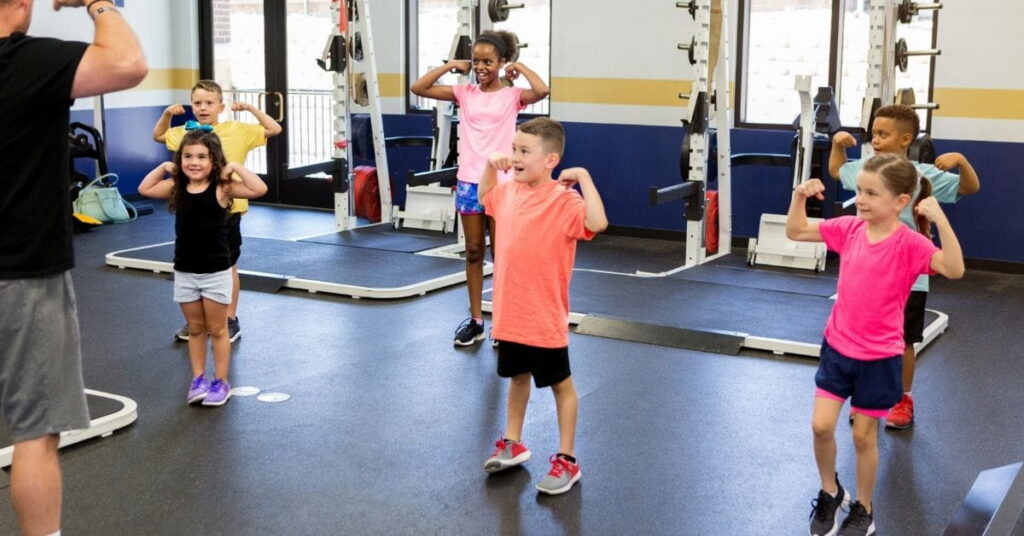
Have you ever wondered why kids seem to have endless energy yet still need structured movement every day? Regular exercise plays a key role in helping children stay healthy, focused, and happy as they grow.
Fun daily exercises give kids a positive outlet for their energy while supporting physical strength, coordination, and emotional balance. When movement feels playful instead of forced, children are more likely to stay active and develop lifelong healthy habits.
Simple exercises done at home, in school, or outdoors can improve posture, balance, and overall fitness without feeling like a chore. By adding enjoyable activities to a child’s daily routine, parents and caregivers can naturally and engagingly support both physical development and mental well-being.
Why Kids Should Exercise in the Morning?
Morning exercise helps kids start the day with energy, focus, and a positive mindset. Physical movement early in the day increases blood flow to the brain, which supports better attention and learning during school hours.
When children exercise in the morning, their bodies wake up naturally, helping regulate sleep patterns and daily routines. Morning activity also supports mood stability by releasing feel-good chemicals that reduce restlessness and irritability.
For many kids, moving their bodies before school helps reduce stress and nervous energy, making it easier to sit, listen, and follow instructions later. Consistent morning exercise builds discipline, encourages healthy habits, and sets a productive tone for the rest of the day without overwhelming young bodies.
Physical Benefits of Exercise for Kids
- Supports healthy growth by strengthening muscles, bones, and joints during important developmental years.
- Improves balance and coordination, which helps children move confidently during play and sports activities.
- Builds cardiovascular strength, allowing the heart and lungs to work more efficiently over time.
- Helps maintain a healthy body weight by encouraging regular calorie use through active movement.
- Improves posture by strengthening core muscles that support the spine.
- Supports flexibility, reducing stiffness and lowering the risk of minor injuries.
- Encourages better motor skills, such as running, jumping, throwing, and catching.
- Helps regulate energy levels, reducing excessive restlessness throughout the day.
- Supports stronger immune function by improving overall circulation.
- Builds physical endurance, allowing kids to stay active for longer periods without tiring quickly.
Cognitive Benefits of Exercise for Kids
- Improves focus and attention by increasing blood flow to the brain.
- Supports better memory by stimulating brain areas linked to learning.
- Helps children process information faster during school activities.
- Reduces stress and anxiety by releasing calming brain chemicals.
- Encourages emotional regulation, helping kids manage frustration and excitement.
- Improves problem-solving skills through movement-based learning.
- Supports better classroom behavior by reducing excess nervous energy.
- Encourages creativity through playful and imaginative movement.
- Helps develop discipline and routine through consistent activity.
- Supports confidence by helping kids feel capable and strong in their bodies.
Daily Exercises For Kids
1. Jumping Jacks
Jumping jacks are a classic full-body exercise that keeps kids moving while feeling playful and energetic. This activity gets the heart pumping while engaging the arms, legs, and core.
Because of its rhythmic nature, children often enjoy repeating the movement without feeling bored. It works well as a warm-up or a quick energy release between activities.
How to Do It?
- Ask the child to stand upright with feet together and arms resting at the sides in a relaxed position.
- Instruct them to jump while spreading their feet apart and lifting both arms overhead in one smooth motion.
- Encourage landing softly on the feet to protect the joints and maintain balance.
- Have them jump back to the starting position and repeat the movement for 15 to 20 repetitions.
How It Helps:
Jumping jacks improve heart health, coordination, and muscle strength. They help children release energy quickly while supporting endurance and full-body movement in a fun and engaging way.
2. Frog Jumps
Frog jumps turn exercise into imaginative play by encouraging kids to move like an animal. This movement focuses on the legs while also improving balance and coordination.
Kids often enjoy pretending to be frogs, which makes the exercise feel like a game rather than a structured activity. It is especially useful for building lower-body strength.
How to Do It?
- Ask the child to squat down with feet slightly wider than shoulder-width and hands touching the floor.
- Instruct them to jump forward while pushing through their legs and swinging their arms gently.
- Encourage landing softly in a squat position to maintain control and safety.
- Repeat the movement for 10 to 15 jumps, allowing short breaks if needed.
How It Helps:
Frog jumps strengthen leg muscles and improve balance. They also support coordination and help kids develop explosive movement skills while staying playful and active.
3. Arm Circles
Arm circles are a simple yet effective exercise that helps loosen the shoulders and upper body. This movement is gentle and works well for kids of all ages. It can be done almost anywhere and helps prepare the arms for more active movements. Arm circles also improve awareness of controlled motion.
How to Do It?
- Have the child stand upright with arms extended straight out to the sides.
- Ask them to slowly rotate their arms in small circles, keeping movements smooth and controlled.
- After 10 seconds, encourage reversing the direction of the circles.
- Continue the movement for 20 to 30 seconds while maintaining a steady posture.
How It Helps:
Arm circles improve shoulder mobility and upper-body coordination. They help reduce stiffness and support smoother arm movement during play and daily activities.
4. High Knees March
High knees march is a lively movement that keeps kids active while improving coordination and balance. This exercise involves lifting the knees alternately, which helps children stay engaged without feeling overwhelmed.
It works well as a fun cardio movement and can easily be turned into a playful marching game. Kids enjoy the rhythm and movement, making it suitable for daily routines.
How to Do It?
- Ask the child to stand tall with feet hip-width apart and arms relaxed at the sides.
- Instruct them to lift one knee up toward the chest while swinging the opposite arm naturally.
- Encourage them to alternate legs slowly at first, maintaining balance and posture.
- Continue the marching movement for 30 to 40 seconds, allowing short rest breaks if needed.
How It Helps:
High knees march supports leg strength, balance, and coordination. It also improves heart activity and helps children stay energetic while practicing controlled movement.
5. Bear Crawl
Bear crawl is a playful full-body exercise that challenges strength and coordination. Kids move on their hands and feet, which feels more like play than exercise.
This movement helps improve control and awareness of body positioning. It works well indoors or outdoors and keeps children interested through imaginative movement.
How to Do It?
- Ask the child to get on all fours with hands under shoulders and knees slightly off the floor.
- Instruct them to move forward by stepping with the opposite hand and foot at the same time.
- Encourage slow and steady movement while keeping the back flat and head aligned.
- Continue crawling for 20 to 30 seconds before allowing rest.
How It Helps:
Bear crawl strengthens the arms, legs, and core while improving coordination. It also supports better body control and helps children develop functional movement patterns.
6. Star Jumps
Star jumps are an exciting variation of jumping movements that allow kids to move freely. This exercise involves jumping outward into a star shape, which makes it visually fun and engaging.
It increases heart activity and helps children release energy. Star jumps are easy to learn and enjoyable for group play.
How to Do It?
- Ask the child to stand upright with feet together and arms resting by the sides.
- Instruct them to jump up while spreading their arms and legs wide like a star.
- Encourage a soft landing with knees slightly bent for safety.
- Repeat the movement for 12 to 15 jumps at a comfortable pace.
How It Helps:
Star jumps support heart health, coordination, and full-body strength. They help children stay active while improving rhythm and movement control.
7. Crab Walk
Crab walk is a playful movement that feels like a game rather than exercise. Kids move backward using their hands and feet, which challenges coordination and strength at the same time.
This activity keeps children engaged while helping them learn body control. It works well for indoor play and group activities.
How to Do It?
- Ask the child to sit on the floor with knees bent, feet flat, and hands placed behind them.
- Instruct them to lift their hips off the ground while supporting their weight on their hands and feet.
- Encourage them to move backward slowly by alternating hands and feet.
- Continue the movement for 20 to 30 seconds, allowing rest if needed.
How It Helps:
Crab walk strengthens the arms, legs, and core muscles. It also improves coordination and helps children develop balance while staying active in a fun way.
8. Balance on One Foot
Balancing on one foot helps kids improve stability and focus. This simple exercise teaches body awareness while strengthening smaller muscles that support balance. It can easily be turned into a challenge or game, which keeps children motivated. The exercise is gentle and suitable for all ages.
How to Do It?
- Ask the child to stand upright with arms stretched slightly out to the sides.
- Instruct them to lift one foot off the ground and hold the position steadily.
- Encourage focusing on a fixed point to help maintain balance.
- Hold for 10 to 15 seconds, then switch to the other foot and repeat.
How It Helps:
This exercise improves balance and coordination while strengthening leg muscles. It also supports focus and body control, which helps children move more confidently.
9. Skipping in Place
Skipping in place is a lively activity that keeps kids moving without needing much space. The repeated hopping motion builds rhythm and coordination while keeping the heart active. Kids often enjoy the bouncy nature of skipping, which makes it easy to repeat regularly. It works well as a quick activity break.
How to Do It?
- Ask the child to stand comfortably with feet slightly apart and arms relaxed.
- Instruct them to hop lightly on one foot while swinging the opposite arm forward.
- Encourage switching feet after a few hops to keep the movement balanced.
- Continue skipping for 30 to 40 seconds at a comfortable pace.
How It Helps:
Skipping in place improves coordination, endurance, and leg strength. It also helps children release energy while practicing rhythm and controlled movement.
10. Animal Walk
Animal walk encourages kids to move creatively while using their whole body. Children can pretend to walk like different animals, which keeps them interested and active. This exercise supports coordination and strength while allowing freedom of movement. It works especially well for younger kids who enjoy imaginative play.
How to Do It?
- Ask the child to choose an animal, such as a dog, elephant, or duck, and copy its movement style.
- Instruct them to move slowly across the space while maintaining balance and control.
- Encourage bending, stepping, or stretching based on the chosen animal’s motion.
- Continue the activity for 30 to 40 seconds, switching animals if desired.
How It Helps:
Animal walks support full-body movement, coordination, and muscle strength. They also help improve body awareness while keeping kids engaged through imaginative play.
11. Toe Touch Stretch
Toe touch stretch is a gentle movement that helps kids loosen their muscles. It focuses on the back, legs, and arms while improving flexibility. This exercise is calming and works well after active movements. It also helps children become more aware of their body positioning.
How to Do It?
- Ask the child to stand upright with feet shoulder-width apart and arms relaxed.
- Instruct them to slowly bend forward from the hips and reach toward their toes.
- Encourage keeping the knees slightly bent and the movement slow.
- Hold the stretch for 10 seconds, then slowly return to standing and repeat.
How It Helps:
Toe touch stretching improves flexibility and reduces muscle tightness. It supports smoother movement and helps kids relax their bodies after physical activity.
12. Side-to-Side Hops
Side-to-side hops add a fun challenge by moving the body laterally. This exercise improves coordination and leg strength while keeping kids alert and engaged. The quick hopping motion helps develop balance and control. It works well as a short activity burst during the day.
How to Do It?
- Ask the child to stand with feet together and knees slightly bent.
- Instruct them to hop to the right and then to the left in a controlled motion.
- Encourage soft landings to protect the joints.
- Continue hopping side to side for 20 to 30 seconds.
How It Helps:
Side-to-side hops improve balance, coordination, and leg strength. They also help children develop quick movement responses while staying active.
13. Balloon Tap
Balloon tap turns movement into a playful coordination activity. Kids stay active while trying to keep a balloon in the air, which feels more like a game than exercise. This activity encourages gentle movement, quick reactions, and body awareness. It works well indoors and keeps children smiling while staying active.
How to Do It?
- Ask the child to gently toss a balloon into the air using one hand.
- Instruct them to tap the balloon upward before it touches the ground.
- Encourage moving around to stay under the balloon while keeping taps controlled.
- Continue the activity for 30 to 40 seconds, switching hands if needed.
How It Helps:
Balloon tapping improves hand-eye coordination, balance, and light movement control. It helps kids stay active while practicing focus and controlled motion.
14. Wall Push-Ups
Wall push-ups are a simple strength exercise designed for kids. Using a wall reduces pressure on the joints while still allowing the arms and upper body to work. This movement helps children build basic strength in a safe and controlled way. It is easy to perform and suitable for all fitness levels.
How to Do It?
- Ask the child to stand facing a wall with feet slightly apart.
- Instruct them to place both palms on the wall at shoulder height.
- Encourage bending the elbows to bring the chest closer to the wall, then pushing back.
- Repeat the movement for 10 to 12 slow repetitions.
How It Helps:
Wall push-ups strengthen the arms, shoulders, and chest muscles. They support better upper-body control and help children develop basic strength safely.
15. Dance Freeze
Dance freeze combines music and movement to keep kids active and entertained. Children dance freely and stop when the music pauses, which adds excitement and focus. This exercise encourages creativity and quick reactions. It is ideal for group play and helps children enjoy movement without pressure.
How to Do It?
- Play upbeat music and ask the child to dance freely using any movements they like.
- Pause the music randomly and instruct them to freeze in their current position.
- Encourage holding the freeze for a few seconds before restarting the music.
- Continue the activity for 2 to 3 minutes with multiple pauses.
How It Helps:
Dance freeze improves coordination, listening skills, and movement control. It also helps kids stay active while expressing themselves through playful motion.
Conclusion
Daily exercise helps kids stay strong, focused, and full of positive energy. Fun movements make activity enjoyable, encouraging children to stay consistent without pressure. By adding playful exercises into everyday routines, kids can develop healthy habits that support physical growth, coordination, and overall well-being as they grow.